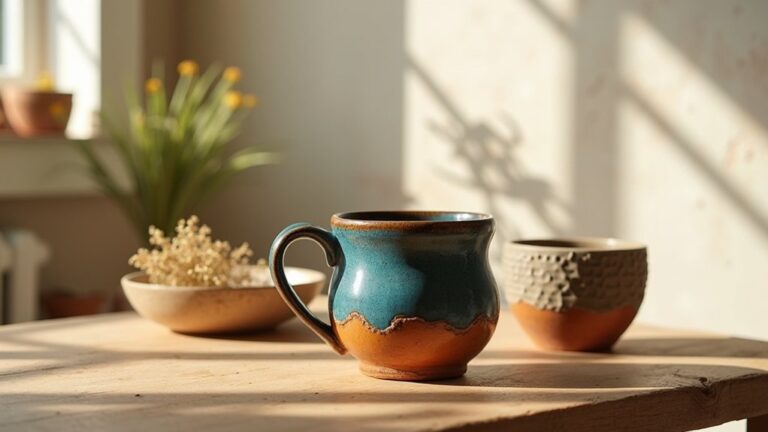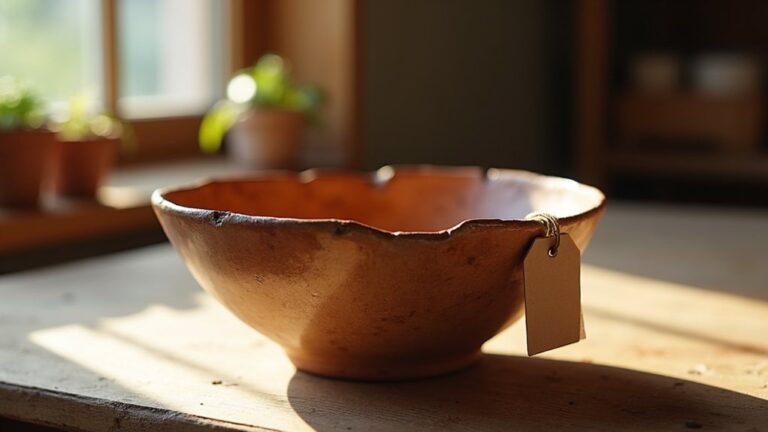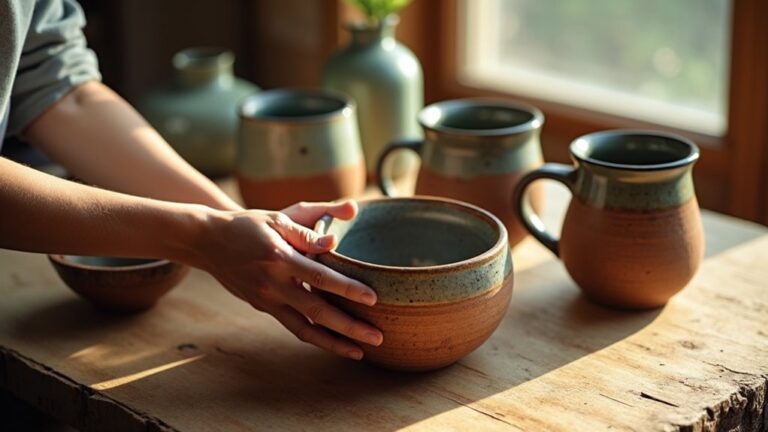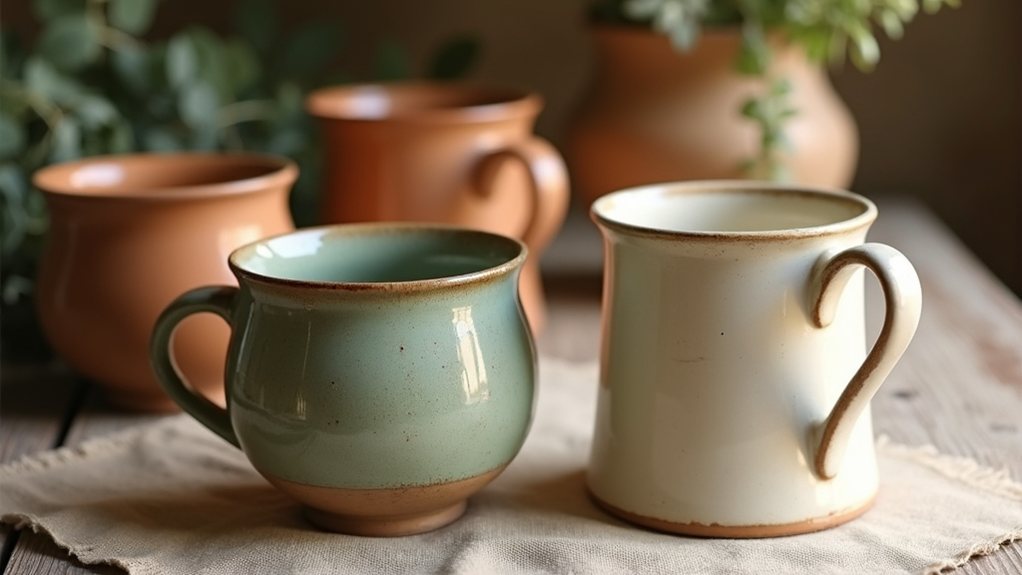
Handmade pottery beats mass-produced homeware in ways that actually matter. You’re getting pieces that are safer with lead-free glazes, more durable thanks to careful craftsmanship, and far gentler on the planet since they’re made locally in small batches. You’re also supporting a real person’s livelihood instead of a factory. The tiny imperfections aren’t flaws — they’re proof someone made it just for you. Stick around, and you’ll discover exactly why that matters.
Each Piece of Handmade Pottery Is Genuinely One of a Kind
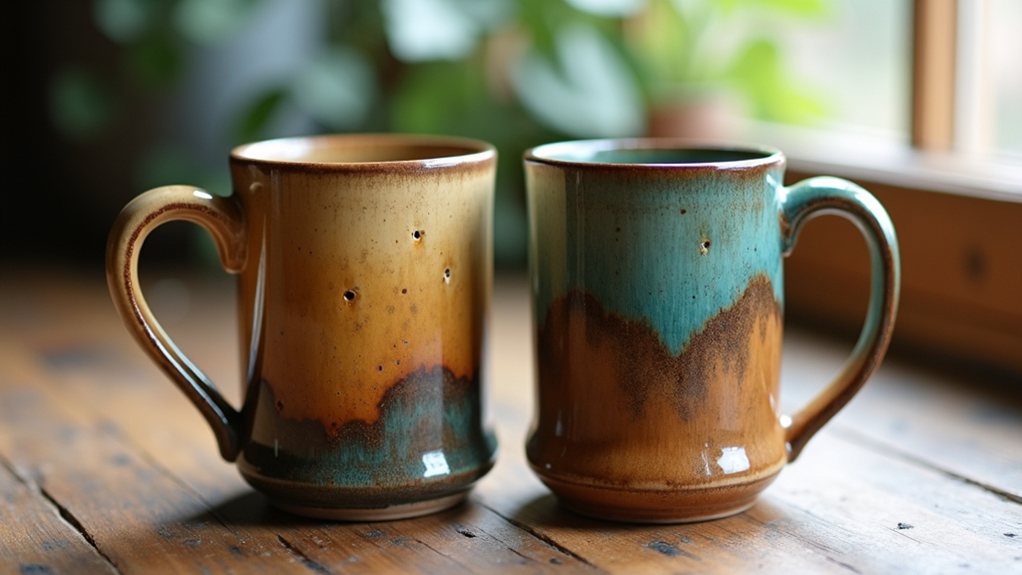
When you think of handmade pottery, you might picture each piece as a completely unique creation — but that’s not quite the full story. Actually, handmade pottery pieces aren’t truly one of a kind. Skilled potters often work from consistent patterns, repeating similar shapes, sizes, and designs across many pieces. That mug you’re eyeing? There’s likely a whole collection just like it. Mass-produced homeware and handmade pottery actually share something in common here — both involve repeated designs. The difference lies in execution, not exclusivity. So if you’re buying handmade pottery hoping for something completely irreplaceable, you might want to reconsider that expectation. It’s still beautifully crafted, but “one of a kind” isn’t always the accurate label you’d expect it to be. Porcelain Ring Holder offers a tangible example of how deliberate variations can occur even within a repeated design.
Why Handmade Pottery Actually Lasts Longer
Factory kilns maintain precise temperatures, reducing weak spots, and handmade pieces often show unique transfer details that enhance their character handmade charm.
Mass-Produced Homeware Has a Dirtier Footprint Than You Think
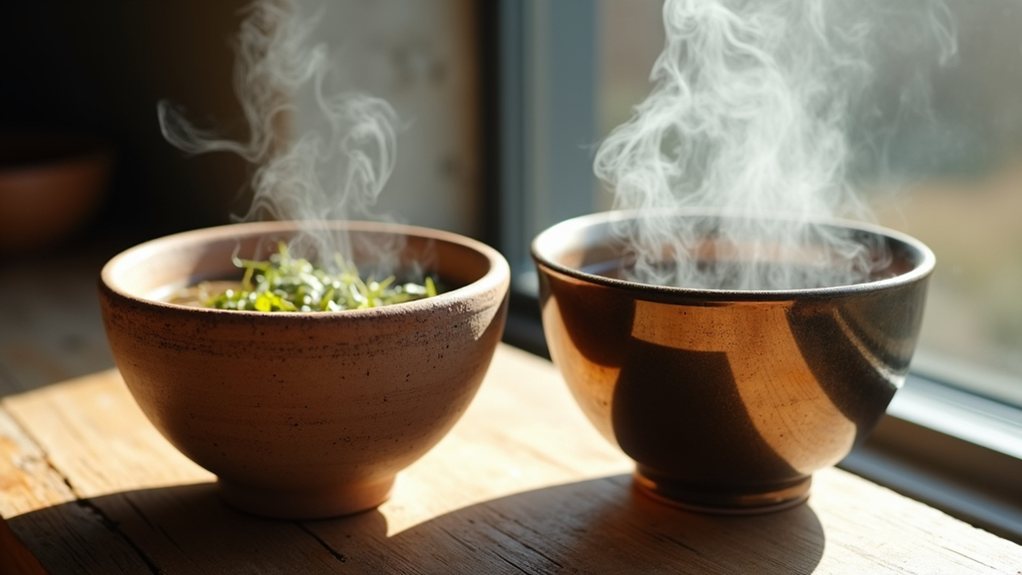
Here’s something that might surprise you — mass-produced homeware isn’t the eco-friendly, efficient option it’s often made out to be. Factories churn out millions of identical pieces, burning through enormous amounts of energy, water, and raw materials. The shipping alone adds a hefty carbon footprint, with products traveling across continents before they ever reach your shelf. And because these items are made cheaply, they break faster, meaning you’re replacing them more often. That cycle creates serious waste.
Handmade pottery, on the other hand, is typically produced locally, in small batches, using traditional techniques that don’t rely on industrial-scale energy consumption. When you choose handmade, you’re supporting a process that’s gentler on the planet — and that’s a pretty good reason to make the switch.
Why Handmade Pottery Is a Safer Choice for Everyday Eating
When you’re eating off handmade pottery every day, you’ll want to know that it’s actually safe to do so — and the good news is, it usually is.
Skilled potters typically use lead-free glazes, which means you’re not accidentally seasoning your soup with something toxic.
Most handmade pieces also meet food-safe material standards, so you can enjoy your morning oatmeal without turning it into a chemistry experiment.
Lead-Free Glazing Benefits
One of the biggest advantages of handmade pottery is that skilled artisans typically use lead-free glazes, making it a much safer choice for everyday eating. When you’re eating off mass-produced dishes, you can’t always be sure what’s in the glaze. With handmade pottery, artisans prioritize your health by choosing safer materials. Here’s why that matters for you:
- You’re avoiding potential lead exposure that can come from cheaper, mass-produced glazes
- You’re protecting your family, especially young children, who are more vulnerable to toxins
- You’re making a conscious choice that aligns with a healthier lifestyle
It’s a small switch that makes a big difference. Choosing handmade pottery isn’t just about aesthetics — it’s about knowing exactly what’s touching your food every single day.
Food-Safe Material Standards
Beyond lead-free glazes, there’s another layer to the safety story worth knowing about — food-safe material standards. Mass-produced homeware sometimes cuts corners on materials, using cheaper clays or coatings that aren’t fully tested for daily food contact. That’s a gamble you probably don’t want to take with your morning oatmeal.
Handmade potters, on the other hand, typically choose materials that meet strict food-safe standards. They’re intentional about every component — from the clay body to the final glaze layer. Many even get their work tested independently, just to be sure.
When you buy handmade pottery, you’re choosing pieces made with care, not convenience. That means safer surfaces touching your food, day after day. It’s a small switch with a genuinely big payoff.
You’re Supporting a Real Person’s Livelihood
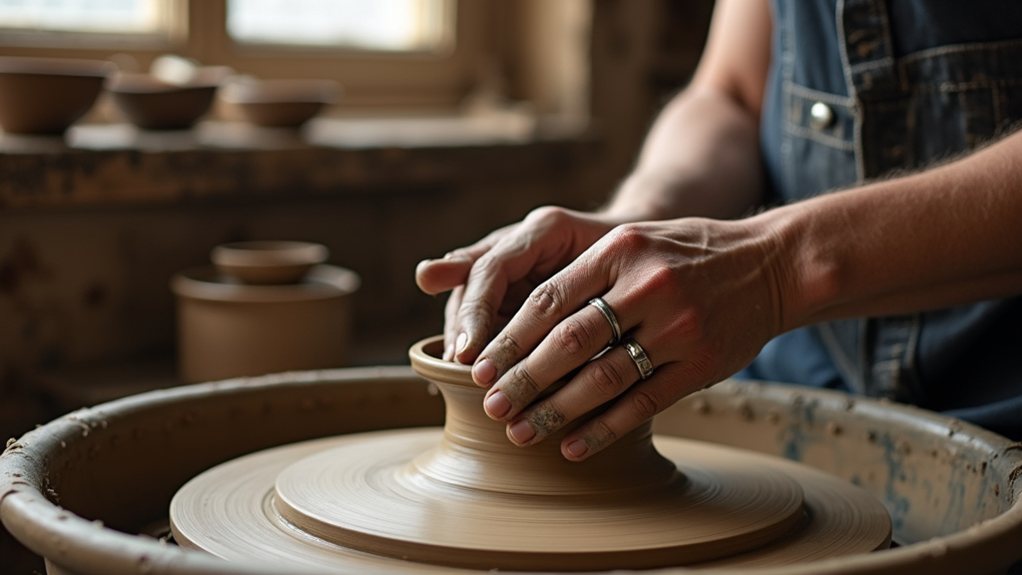
There’s something meaningful about knowing your money goes directly to a real person who’s paying their rent, feeding their family, and building a life around their craft. When you buy mass-produced homeware, your cash disappears into a corporate machine. But when you choose handmade pottery, you’re making a real difference. Consider what your purchase actually supports:
- A potter’s ability to keep their studio running
- Their freedom to create without answering to a corporation
- A small business that reinvests money back into the local community
You’re not just buying a bowl; you’re backing someone’s dream. That feels pretty good when you’re eating cereal out of it on a Tuesday morning, doesn’t it?
Handmade Pottery Holds Its Value Over Time
Handmade pottery doesn’t always hold its value over time, and it’s worth being upfront about that. Some pieces appreciate, but others simply sit pretty on your shelf without gaining much monetary worth. That’s just the honest truth. Mass-produced homeware rarely holds any resale value at all, so handmade pottery still has a leg up there. What handmade pieces do tend to keep is their personal and aesthetic value. You won’t find your favorite mug discounted in a clearance bin six months later. It stays meaningful because someone actually made it with care. So while you shouldn’t buy handmade pottery expecting a financial windfall, you can expect it to remain special, durable, and worth keeping. That’s honestly a pretty good deal.
Why Your Morning Coffee Tastes Better From a Handmade Mug

- Handmade mugs have thicker walls, keeping your coffee warmer longer
- Their unique textures make the mug easier and more comfortable to grip
- The personal, one-of-a-kind design genuinely makes drinking feel more special
You’re not imagining things. When you hold something beautiful and unique, your brain actually enjoys the experience more. That’s real psychology, not marketing fluff. So while your coffee’s chemistry stays the same, your enjoyment of it absolutely doesn’t.
Why Imperfection Makes Handmade Pottery More Beautiful
When you hold a handmade mug with a slightly lopsided rim or an uneven glaze, you’re actually holding something far more interesting than a perfect, factory-stamped piece. Those little quirks and organic imperfections tell a story, giving each piece a unique character that mass-produced homeware simply can’t replicate. It’s the human touch behind every bump, ridge, and swirl that makes handmade pottery feel alive, turning what some might call “flaws” into the very features that make you fall in love with a piece.
Embracing Organic Imperfections
Why do we so often chase perfection, only to find that it leaves us feeling cold and disconnected? Handmade pottery flips that idea on its head. Those little quirks aren’t flaws — they’re personality. Each wobbly rim or uneven glaze tells you a real person made this with their hands.
Here’s what makes those imperfections genuinely special:
- Unique character: No two pieces look identical, meaning your mug is truly one-of-a-kind
- Human connection: You’re holding something shaped by someone’s hands, energy, and creativity
- Authentic beauty: Slight variations create visual warmth that sterile, factory-made pieces simply can’t replicate
When you embrace organic imperfection, you’re choosing authenticity over assembly lines. And honestly? That slightly lopsided bowl makes your morning coffee taste better anyway.
Unique Character Through Flaws
Most people spend their whole lives chasing perfection, but handmade pottery quietly makes the case that flaws are the whole point. That tiny wobble in your mug’s rim? It’s not a mistake — it’s proof that human hands shaped it. Mass-produced homeware is identical across millions of pieces, which sounds efficient but feels a little soulless. Handmade pottery gives you something no factory ever could: a one-of-a-kind object with its own story.
A slight asymmetry or uneven glaze makes your piece genuinely irreplaceable. Nobody else owns that exact bowl. There’s real comfort in that. You’re not just buying something functional — you’re bringing home a small, imperfect, completely honest work of art that machine-made products simply can’t replicate, no matter how hard they try.
Human Touch Adds Beauty
There’s something almost magical about holding a handmade mug and feeling the subtle ridges left by a potter’s fingers. Those tiny imperfections aren’t mistakes — they’re proof that a real human made your piece. Mass-produced homeware can’t replicate that connection.
The human touch creates beauty in ways machines simply can’t match:
- Finger marks leave gentle texture that feels alive under your hands
- Slight asymmetry gives each piece personality, making it uniquely yours
- Natural variations in glaze and form tell the story of its creation
You’re not just buying a bowl — you’re holding someone’s craft, time, and skill. That emotional connection transforms everyday objects into something meaningful. Factory-made pieces look perfect, but they feel cold and impersonal by comparison.
What the Making Process Reveals About Your Pottery
How a piece of pottery is made tells you a lot about what you’re actually bringing into your home. Mass-produced homeware rolls off a factory line, shaped by machines that don’t care whether your morning coffee tastes better in a perfectly balanced mug. Handmade pottery, though, comes from someone who actually thought about what they were creating. A potter centers the clay, feels the walls rise, and adjusts every curve by hand. That process leaves something behind in the finished piece, a quiet kind of intention you can actually feel when you hold it. You’re not just buying a bowl. You’re bringing home the result of someone’s skill, focus, and genuine effort, and that honestly makes your kitchen table a better place.
Where to Find Handmade Pottery You’ll Actually Love
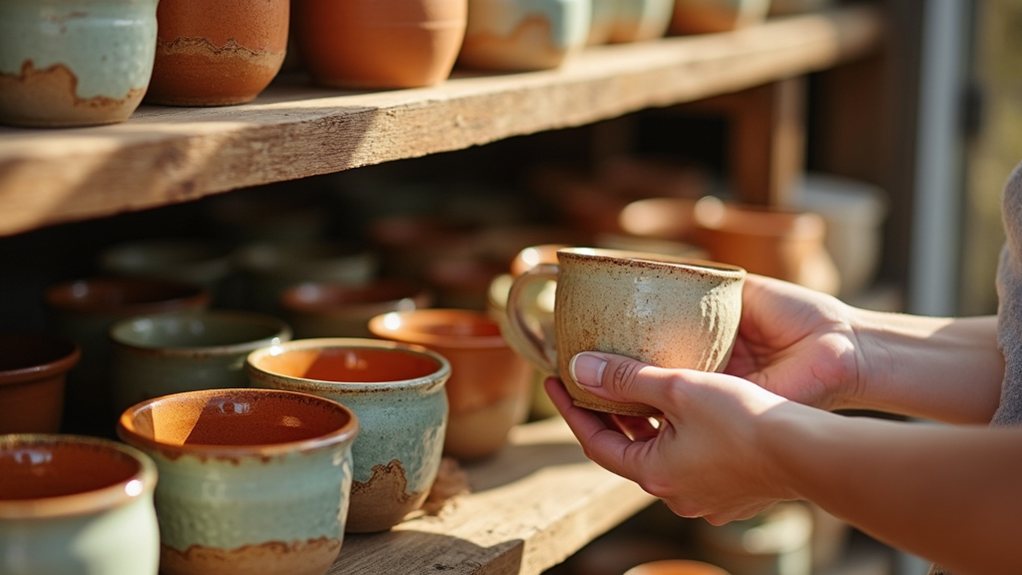
Knowing handmade pottery is worth your money is one thing, but actually finding pieces you’ll love is another. Luckily, you’ve got several solid options to explore:
- Local craft fairs and markets – You’ll meet the makers face-to-face and see pieces up close before committing.
- Etsy and artist websites – Great for browsing styles from potters worldwide, though always check reviews first.
- Local pottery studios – Many sell directly and even offer classes, so you can try making your own.
Don’t overlook Instagram either. Many independent potters showcase their work there regularly. Following your favorite makers means you’ll catch limited drops before they sell out. Finding handmade pottery you genuinely love takes a little effort, but it’s absolutely worth it.
Final Thoughts
So, you’ve seen the story behind the craft. Every purposeful piece of pottery you pick brings beauty, safety, and sustainability straight to your shelves. You’re skipping soulless, synthetic stuff and supporting a skilled, passionate person instead. Your morning coffee’s creamier, your countertops are cooler, and your conscience is clearer. Handmade homeware isn’t just a purchase — it’s a perfectly personal choice. Make the swap, and you’ll never look back at bland, boring, big-box alternatives again.