If you’re curious about British pottery, Stoke-on-Trent is where the story begins. Sitting on rich deposits of coal and clay, this city had the perfect ingredients to become a pottery powerhouse. Six towns merged in 1910 to create it, each bringing its own kilns and character. Iconic brands like Wedgwood and Spode were born here, and the craft is still very much alive today. Stick around, and you’ll discover exactly why.
Why Stoke-on-Trent Became Britain’s Pottery Capital

Stoke-on-Trent didn’t just stumble into becoming Britain’s pottery capital — it earned that title through a perfect combination of geography, resources, and sheer hard work.
You might wonder what made this city so special.
Well, it’s sitting on rich deposits of coal and clay, which are basically the two golden ingredients for making pottery. That combination wasn’t an accident — it was nature handing the region a massive head start.
Add in easy access to waterways for transporting goods, and you’ve got a recipe for industrial success.
Local entrepreneurs seized those advantages, building kilns and factories that eventually turned Stoke into a powerhouse.
You could say the city’s pottery legacy wasn’t just built with clay — it was built with determination, vision, and a little bit of luck.
The Six Towns That Built the Potteries
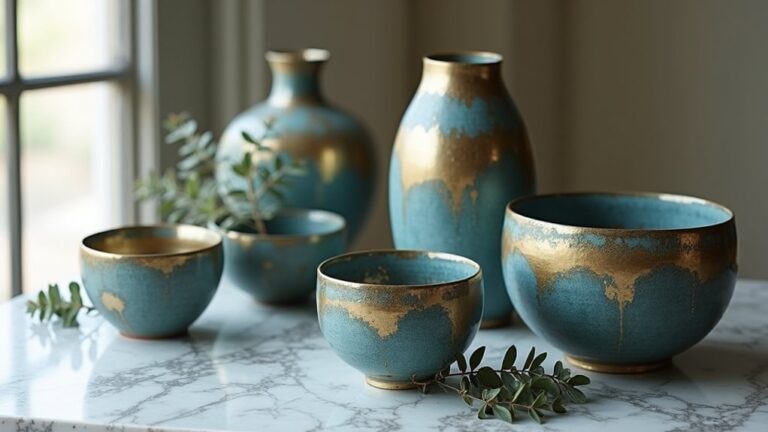
Tunstall, Burslem, Hanley, Stoke, Fenton, and Longton — six towns that couldn’t agree on much, but together they built something extraordinary. Each town had its own personality, its own kilns, and honestly, its own sense of pride. They weren’t always friendly neighbors, but their combined energy created the powerhouse known as the Potteries. In 1910, these six towns officially merged to form Stoke-on-Trent, though locals still fiercely identify with their original hometown. You’ll notice that loyalty hasn’t faded one bit. Burslem earned the nickname “Mother Town” for pioneering the industry first, while Hanley grew into the commercial heart. Each town contributed unique skills, specialized products, and generations of dedicated workers who shaped British pottery into something the world genuinely admired. Today, that same tradition of fine craftsmanship lives on in delicate, handmade white porcelain pieces that carry platinum lustre details and celebrate the enduring artistry of the region.
Wedgwood, Spode, and the Brands That Put Stoke-on-Trent on the Map
When you think of British pottery, two names probably pop into your head right away: Wedgwood and Spode. Wedgwood’s elegant designs have graced royal tables and everyday homes alike for over 250 years, making it one of the most recognized pottery brands in the world. Spode, on the other hand, gave us blue and white fine bone china that’s so iconic, you’ve almost certainly eaten off a piece of it without even realizing it. This same tradition of fine craftsmanship lives on in contemporary pieces like handmade porcelain with gold lustre accents, which continue to bring artisanal elegance into modern homes.
Wedgwood’s Timeless Legacy
Few names in the world of ceramics carry as much weight as Wedgwood and Spode — two brands that didn’t just shape Stoke-on-Trent’s identity but genuinely changed how the world thinks about fine pottery.
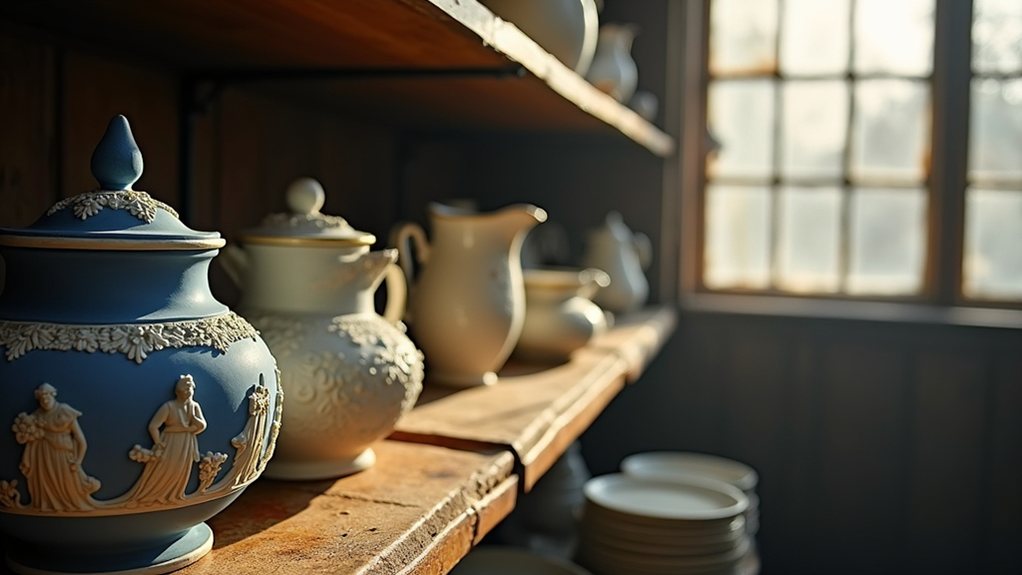
Wedgwood’s legacy is something you can actually feel when you hold one of their pieces. Josiah Wedgwood didn’t just make beautiful pottery — he revolutionized how it was produced, marketed, and sold. He fundamentally invented modern branding before branding was even a concept. His famous Jasperware, with its distinctive pale blue color and white relief designs, remains instantly recognizable today. You’ve probably seen it without even knowing the name. That’s the mark of true timelessness — when a design outlives its creator by centuries and still feels completely relevant.
Spode’s Iconic Contributions
Spode’s story is just as fascinating, and honestly, it might surprise you how much this brand shaped everyday life without most people realizing it. Founded by Josiah Spode in Stoke-on-Trent, this pottery house changed the game in three major ways:
- Spode perfected bone china, making it stronger and more translucent.
- They popularized blue-and-white transfer printing, bringing affordable decorated pottery to ordinary homes.
- Their iconic Blue Italian pattern, introduced in 1816, still sells today.
You’ve probably seen Spode’s designs without knowing it. That classic blue-and-white dinnerware sitting in your grandmother’s cabinet? There’s a good chance Spode influenced it. Their work made beautiful pottery accessible, not just a luxury for the wealthy, and that genuinely changed how people experienced their homes.
Bottle Kilns and the Industrial Landscape Behind the China
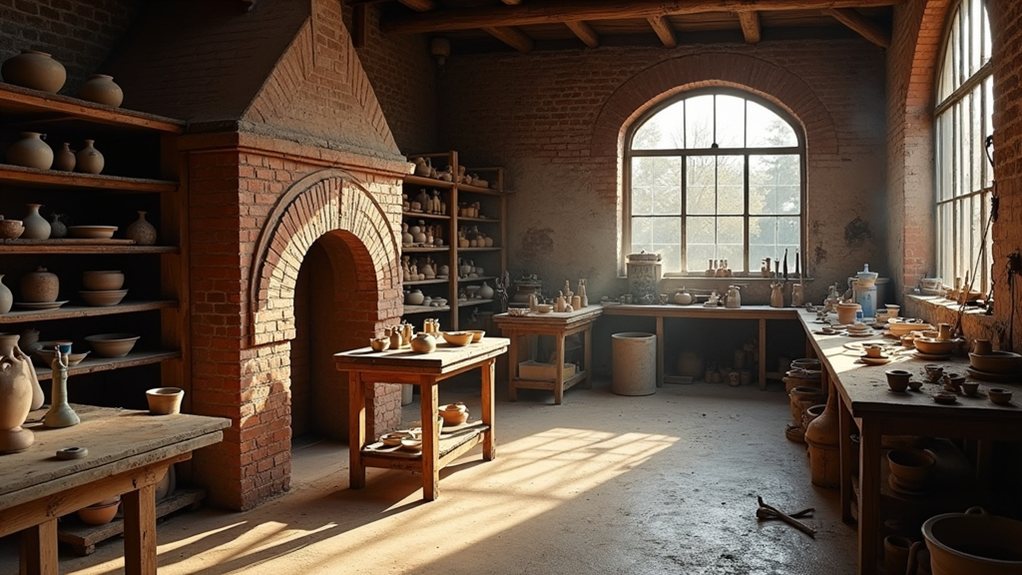
How did Stoke-on-Trent earn its place as the pottery capital of the world? The answer lies partly in its iconic bottle kilns. These distinctive, bottle-shaped structures once dominated the city’s skyline, and you’d have seen thousands of them belching smoke across the horizon. They weren’t just pretty shapes, though. Inside, workers fired clay at intense temperatures, transforming raw earth into beautiful china.
The industrial landscape was demanding and gritty. You’d have worked long hours in dusty, smoke-filled conditions, doing whatever it took to produce world-class pottery. It wasn’t glamorous, but it was genuinely remarkable.
Today, preserved kilns like those at the Gladstone Pottery Museum let you step back into that smoky world, connecting you directly to Stoke-on-Trent’s powerful, hardworking heritage.
The Best Pottery Museums in Stoke-on-Trent
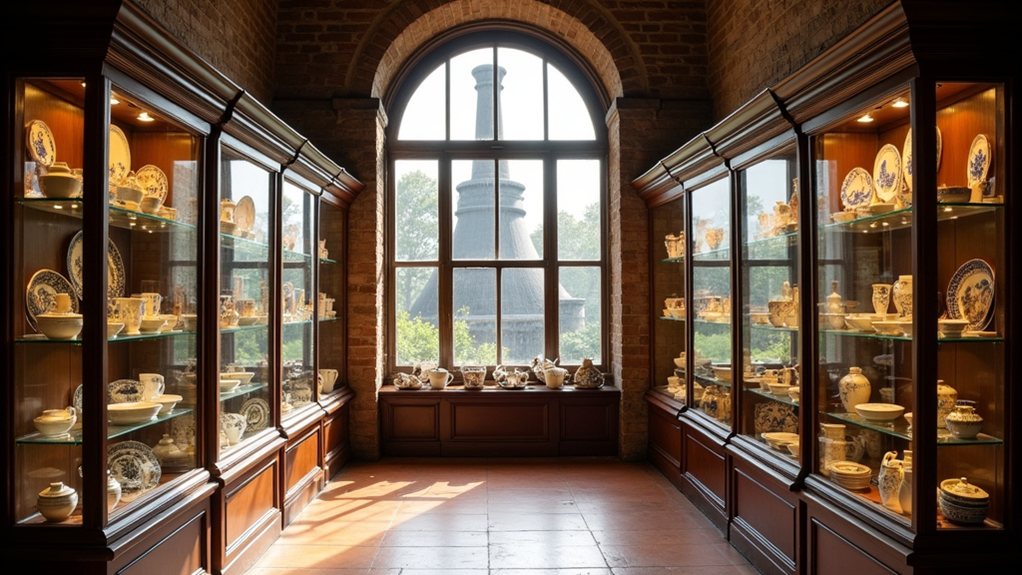
If you’re a fan of pottery — or even just curious about it — Stoke-on-Trent’s museums are the perfect place to start, and you won’t be disappointed. You’ll find world-class collections at spots like the Potteries Museum & Art Gallery, where must-see exhibits showcase everything from delicate bone china to bold, industrial stoneware.
Whether it’s a top-rated collection that catches your eye or a rare historical piece that stops you in your tracks, these museums make it easy to appreciate why Stoke-on-Trent earned its title as the pottery capital of Britain.
Top-Rated Pottery Museums
Where better to explore Stoke-on-Trent’s rich pottery heritage than its world-class museums? You’ll find some truly remarkable spots that bring centuries of craftsmanship to life.
Here are three top-rated museums worth your visit:
- The Potteries Museum & Art Gallery – You’ll discover an impressive ceramics collection that spans centuries of local craft.
- Gladstone Pottery Museum – Step into a living, breathing Victorian pottery factory and watch skilled artisans work their magic.
- World of Wedgwood – You’ll explore the legendary Wedgwood story through stunning exhibits and interactive experiences.
Each museum offers something genuinely unique, so you won’t feel like you’re repeating yourself between visits.
Whether you’re a pottery enthusiast or simply curious, Stoke-on-Trent’s museums won’t disappoint.
Must-See Museum Exhibits
Now that you’ve got the lay of the land, let’s dig into the exhibits that make these museums genuinely worth your time.
Unfortunately, specific details about must-see exhibits at Stoke-on-Trent‘s pottery museums aren’t available right now, so pinpointing standout displays isn’t something we can do accurately.
Sharing unverified information wouldn’t be fair to you, especially when you’re planning a real visit. Instead, we’d strongly recommend checking the official websites for the Potteries Museum and Art Gallery, Gladstone Pottery Museum, and Emma Bridgewater Factory.
These sources will give you current, accurate exhibit information directly from the people running them. You’ll find everything from historic kilns to stunning ceramic collections, and honestly, discovering those details yourself might make the visit even more exciting.
What to Expect on a Stoke-on-Trent Factory Tour
Stepping into a Stoke-on-Trent pottery factory is like walking straight into a living museum, except everything’s moving and no one’s going to shush you. You’ll watch skilled hands shape clay into something beautiful right before your eyes. Here’s what you can typically expect:
- A guided walkthrough showing each stage of production, from raw clay to finished piece
- Up-close demonstrations of traditional throwing, casting, and hand-painting techniques
- A chance to try your hand at shaping clay yourself
You’ll leave with a genuine appreciation for how much skill goes into every single cup, plate, or figurine. It’s not just a tour — it’s a reminder that real craftsmanship still exists, and Stoke-on-Trent is proudly keeping that tradition alive.
The Contemporary Ceramic Artists Keeping the Potteries Alive
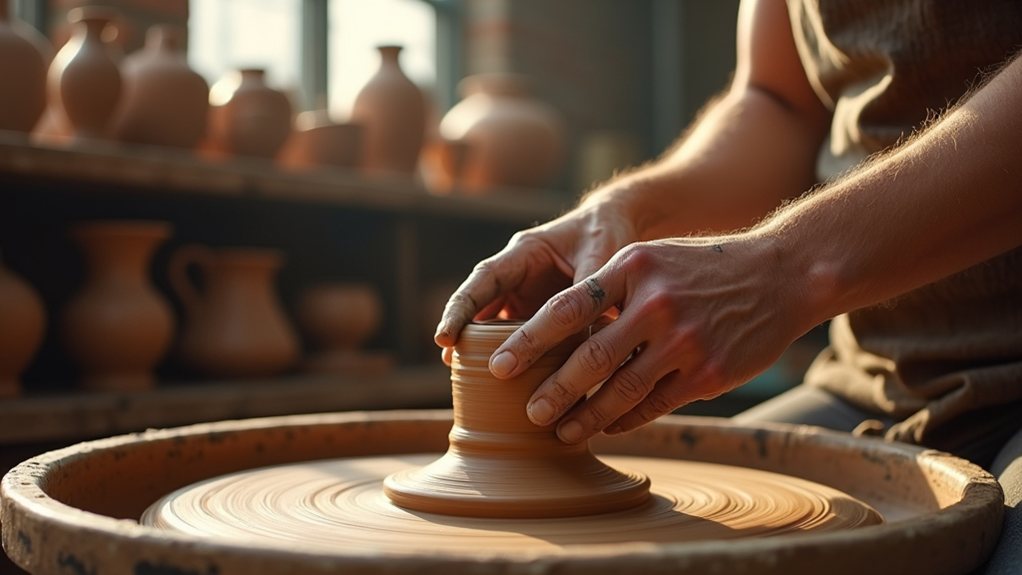
Tradition doesn’t just survive in Stoke-on-Trent — it evolves. Today, a new generation of ceramic artists is breathing fresh life into the Potteries, blending centuries-old techniques with bold, modern ideas.
You’ll find independent studios tucked between old factory buildings, where artists are throwing pots, experimenting with glazes, and pushing clay in directions nobody expected.
These creators aren’t just making pretty things for shelves. They’re telling stories, challenging norms, and keeping a craft alive that could’ve quietly faded away.
Many trained right here in Stoke, learning from masters before finding their own voice.
You can visit their studios, buy directly from them, and even watch them work. It’s personal, it’s real, and honestly, it’s one of the most inspiring things you’ll experience in the city.
How Stoke-on-Trent Is Writing a New Chapter for Pottery
If you think pottery‘s all about your grandma’s china cabinet, think again — Stoke-on-Trent‘s potters are shaking things up with exciting modern innovations while still honoring the traditional techniques that made this city famous.
You’ll find artists blending cutting-edge technology like 3D printing with centuries-old craftsmanship, creating pieces that feel both timeless and totally fresh.
It’s a thrilling balancing act, and Stoke-on-Trent’s pulling it off beautifully, proving that this ancient craft’s got plenty of new stories left to tell.
Modern Pottery Innovations Emerging
While Stoke-on-Trent’s pottery roots run deep, its future is anything but dusty. Today’s potters aren’t just spinning clay and hoping for the best. They’re blending tradition with cutting-edge ideas that’d make Josiah Wedgwood raise an eyebrow — in a good way. Here’s what’s shaking up the scene:
- 3D-printed ceramic designs are pushing shapes beyond what hands alone can create.
- Sustainable glazing techniques are replacing harmful chemicals with eco-friendly alternatives.
- Digital kiln technology gives potters precise temperature control, reducing waste significantly.
You’ll find young designers working alongside seasoned craftspeople, creating pieces that feel both timeless and fresh. Stoke-on-Trent isn’t just preserving pottery — it’s actively reinventing it. And honestly, that’s exactly the kind of glow-up this city deserves.
Reviving Traditional Craft Techniques
Beyond the flashy tech upgrades, Stoke-on-Trent is doing something equally exciting — it’s bringing old-school pottery techniques back to life. Artisans are dusting off ancient methods like hand-throwing, slip casting, and traditional kiln firing. These aren’t just nostalgic hobbies; they’re serious craft skills that define the city’s identity.
You can actually take workshops here and try these techniques yourself. Fair warning — your first clay pot might look more like a sad pancake, but that’s part of the fun. Local studios are pairing experienced master potters with younger apprentices, ensuring these irreplaceable skills don’t disappear.
This revival isn’t about rejecting progress. It’s about honoring what makes Stoke-on-Trent genuinely special — its hands-on, human connection to pottery that no algorithm can replicate.
Where to Buy Authentic Staffordshire Pottery
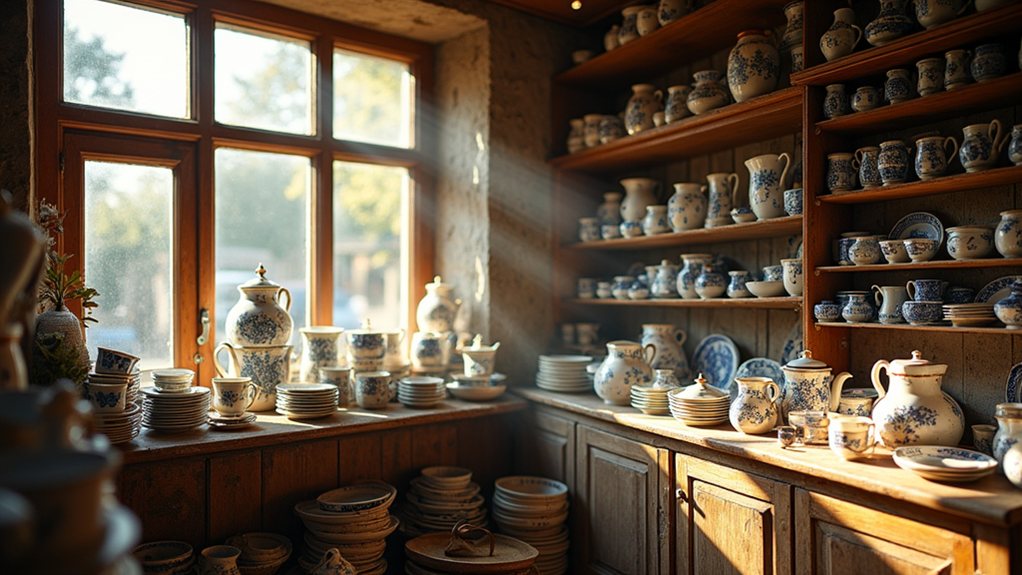
Where do you even begin when you’re hunting for authentic Staffordshire pottery? It’s easier than you’d think, honestly. Here are three great places to start your search:
- Gladstone Pottery Museum — You’ll find genuine pieces and knowledgeable staff who actually care about the craft.
- Local Stoke Markets — Vendors here sell authentic work directly, often at prices that won’t make your wallet cry.
- Factory Outlet Stores — Several working potteries sell directly to visitors, cutting out the middleman completely.
Each option gives you something slightly different. Markets feel lively and personal, while factory outlets connect you directly to the makers themselves. Whatever you choose, you’re supporting real artisans keeping centuries-old traditions alive. That’s worth every penny you’ll spend.
Where to Stay, Eat, and Travel Around the Potteries
Exploring Stoke-on-Trent goes well beyond pottery shopping, and you’ll quickly discover a city that’s genuinely worth settling into for a few days.
You’ll find affordable hotels, cozy guesthouses, and budget-friendly options scattered across the six towns that make up the city.
Don’t overlook Hanley if you want to stay central — it’s the beating heart of modern Stoke.
When hunger strikes, you’re in good hands.
Local restaurants serve everything from traditional British comfort food to international cuisine.
Try a Staffordshire oatcake while you’re here — it’s a local staple you genuinely shouldn’t miss.
Getting around is straightforward too.
Buses connect the towns reliably, and the train network links Stoke to Birmingham and Manchester with ease, making day trips surprisingly simple.
Final Thoughts
Stoke-on-Trent isn’t just a city frozen in its past — it’s a story still unfolding. You’ve seen the kilns, the craftsmanship, and the culture that shaped a nation’s identity. But here’s the thing: the next chapter hasn’t been written yet. Will you witness a legendary pottery brand’s revival? Discover an emerging ceramic artist before the world does? There’s only one way to find out. Pack your bags — Stoke-on-Trent is waiting.