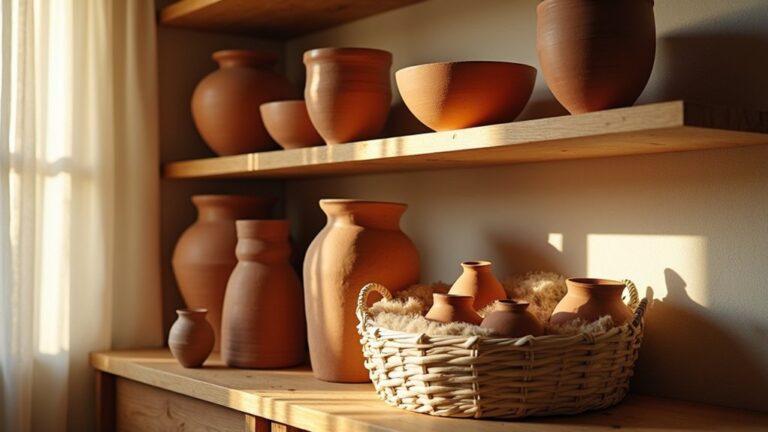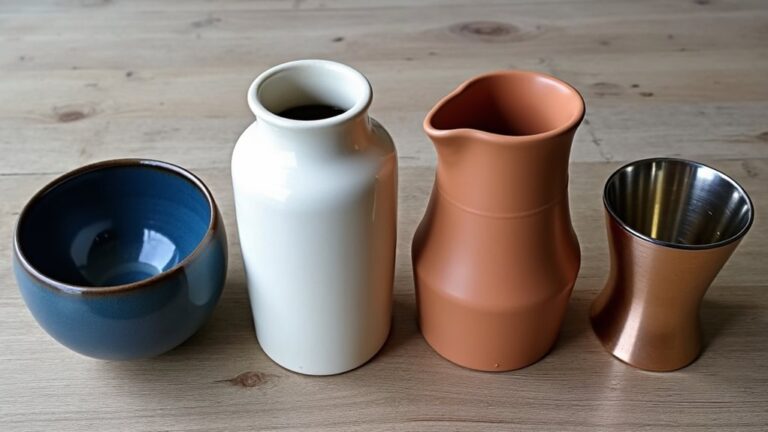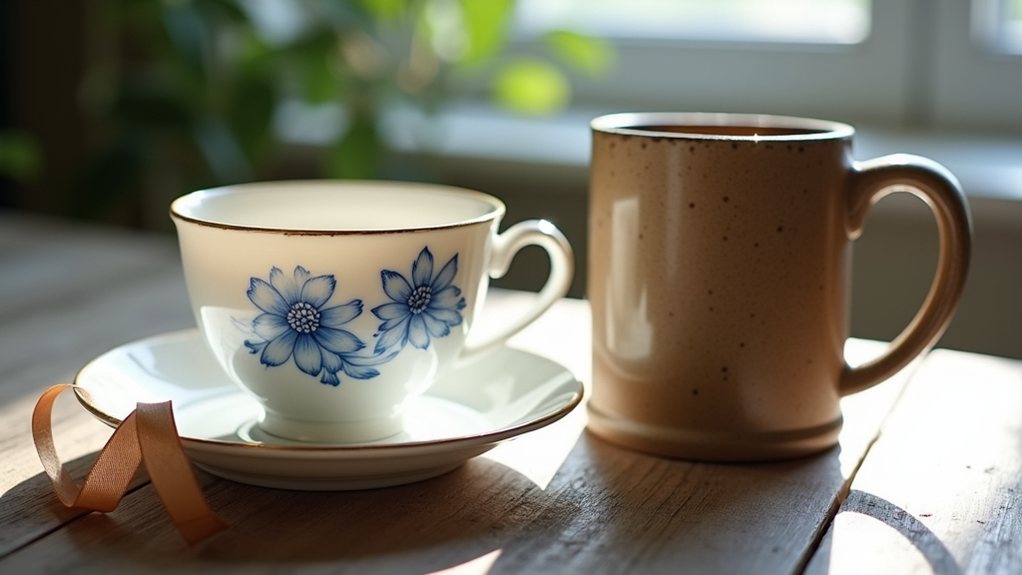
Porcelain and ceramic both start as clay, but they’re not the same thing. Porcelain uses finer kaolin clay fired at much higher temperatures, making it denser, sleek, and more translucent than regular ceramic. Ceramic is more casual, budget-friendly, and surprisingly tough for everyday use. The material you choose actually shapes how your gift feels to the recipient. Stick around, and you’ll know exactly which one fits your occasion, budget, and recipient perfectly.
What’s the Real Difference Between Porcelain and Ceramic?

When people hear “porcelain” and “ceramic,” they often assume they’re talking about two completely different materials, but that’s not exactly true. Here’s the thing — porcelain is actually a type of ceramic. Think of it like squares and rectangles; all porcelain is ceramic, but not all ceramic is porcelain.
The real difference comes down to clay composition and firing temperature. Porcelain uses a finer, denser clay called kaolin, and it’s fired at much higher temperatures. This process makes it harder, less porous, and slightly translucent. Regular ceramic uses coarser clay and lower heat, giving it a more rustic, earthy feel. hands-on craftsmanship contributes to the unique, artisanal appeal of handmade porcelain items like the Squiggles and Dots Porcelain Ring Holder, where careful firing and glaze work preserve delicate shapes and character.
How Each Material Is Made (And Why It Matters for Gifts)
The process of making porcelain and ceramic might sound like a chemistry class you’d rather skip, but it actually tells you a lot about why one material makes a better gift than the other. Ceramic is made from natural clay, shaped and fired at lower temperatures. It’s easier to produce, which keeps costs down and makes it widely available. Porcelain, however, uses a finer, purer clay called kaolin and gets fired at much higher temperatures. That extra heat creates a denser, harder, and more refined material. So when you’re choosing a gift, porcelain typically signals luxury and durability, while ceramic feels more casual and budget-friendly. Neither is wrong — it just depends on who you’re gifting and what impression you want to leave. Porcelain’s three kiln firings further enhance durability and finish, making it an even more luxurious gift choice for special occasions high-temperature firing.
Why Porcelain Costs More Than Ceramic
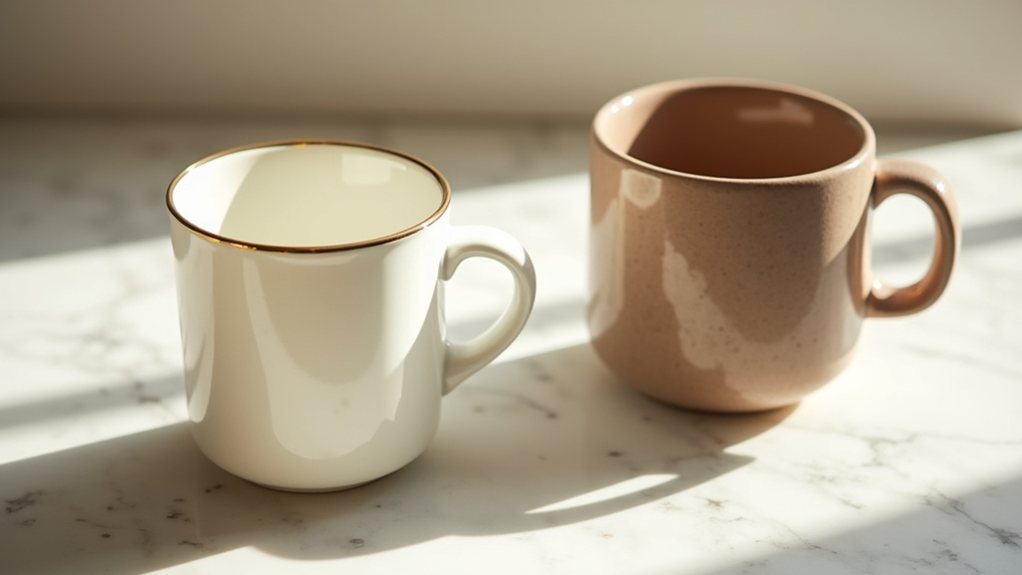
If you’ve ever wondered why porcelain gifts tend to cost more than ceramic ones, the answer starts with the clay itself. Porcelain uses a highly refined, purer form of clay called kaolin, which is rarer and more expensive to source than the everyday clays used in ceramic production.
On top of that, shaping and firing porcelain requires more precision and skill, making the manufacturing process far more labor-intensive — and that extra effort definitely shows up in the price tag.
Refined Clay Costs More
So why does porcelain tend to cost more than ceramic? A big part of it comes down to the clay itself. Porcelain uses kaolin, a highly refined, fine-grained white clay that’s harder to source and process than the earthier clays used in standard ceramics. Think of it like the difference between all-purpose flour and a specialty gluten-free blend — one just takes more work to produce. Because kaolin requires extra purification and careful handling, manufacturers pay more for it upfront. That added cost naturally gets passed along to you, the buyer. So when you’re picking out a porcelain gift and noticing the higher price tag, you’re essentially paying for superior raw materials right from the very start of the production process.
Labor-Intensive Manufacturing Process
Raw materials aren’t the only thing driving up porcelain‘s price — the way it’s made plays a huge role, too. Porcelain requires extremely high firing temperatures, often exceeding 2,300°F. That’s basically the ceramic equivalent of cooking on a volcano. Reaching and maintaining those temperatures demands more energy, more time, and more specialized equipment than standard ceramic production.
On top of that, porcelain needs careful, skilled handling throughout the entire process. It’s more sensitive to cracking and warping, so craftspeople must work slowly and precisely. You can’t rush it without ruining it. Each piece demands focused attention from shaping to glazing to firing.
All that extra effort adds real value to the final product, which is exactly why porcelain gifts tend to feel so special and intentional.
Which Is More Durable: Porcelain or Ceramic?
When it comes to durability, porcelain actually wins the strength contest, thanks to its denser composition and higher firing temperatures.
That said, ceramic isn’t a pushover — it holds up surprisingly well for everyday use, even if it’s a bit more prone to chipping under pressure.
For gifts, you’ll want to contemplate how the recipient plans to use the piece, since a decorative porcelain vase and a ceramic coffee mug face very different kinds of daily wear and tear.
Porcelain’s Superior Strength
The more heat something endures during production, the tougher it tends to become. Porcelain fires at temperatures between 1,200°C and 1,400°C, which is markedly hotter than standard ceramic. That extra heat creates a denser, harder material that resists chipping, cracking, and general wear far better than its ceramic cousin.
Think of it like baking a loaf of bread versus a cracker — one’s soft and flexible, the other’s firm and structured. Porcelain’s density also makes it less porous, meaning it absorbs very little moisture. That’s why you’ll find it in heavy-use items like floor tiles and fine dinnerware.
If you’re gifting something meant to last decades, porcelain genuinely holds up better over time. It’s not just prettier — it’s built tougher.
Ceramic’s Everyday Resilience
So if porcelain’s the tougher material, does that mean ceramic falls apart the moment life gets a little rough? Not even close. Ceramic holds its own surprisingly well in everyday situations. It handles regular use, minor bumps, and the occasional clumsy moment better than you’d expect. That’s actually why you’ll find ceramic mugs, bowls, and decorative pieces everywhere from kitchen shelves to office desks.
Ceramic isn’t fragile — it’s just more suited for relaxed, low-stress environments. You can gift someone a beautiful ceramic piece and feel confident it’ll last through daily routines without drama. It’s durable enough for practical use, even if you wouldn’t trust it to survive a hard drop onto tile. Think of ceramic as your reliable, easygoing friend who thrives in comfortable, familiar settings.
Durability in Gift Use
Durability really comes down to what kind of life you’re picturing for your gift. If you’re giving something meant for daily use, ceramic’s your best bet. It handles bumps, stacking, and dishwashers without throwing a fit. Porcelain is durable too, but it’s thinner and more delicate, so it’s better suited for occasional, careful use. Think Sunday tea sets versus Monday morning coffee mugs. Neither material is fragile by nature, but they shine in different situations. Ceramic laughs off rough handling, while porcelain rewards gentle care with lasting beauty. So ask yourself: will this gift live in a busy kitchen cabinet or a display shelf? That answer tells you everything you need to know about which material fits best.
How to Tell Porcelain From Ceramic When You’re Shopping
When you’re standing in a store (or scrolling online) trying to decide between two beautiful pieces, how do you know which one’s porcelain and which one’s ceramic?
Here are a few quick tricks:
- Hold it up to light — porcelain often lets light through slightly
- Check the weight — porcelain feels denser and heavier for its size
- Look at the edges — porcelain chips show white throughout, ceramic shows darker clay
- Feel the surface — porcelain is smoother and almost glassy
- Read the label — manufacturers usually specify, so don’t skip this step
These small checks take seconds but save you from gifting something that doesn’t match your intentions. Knowing what you’re actually buying helps you choose confidently and give something truly thoughtful.
Which Looks More Impressive as a Gift: Porcelain or Ceramic?
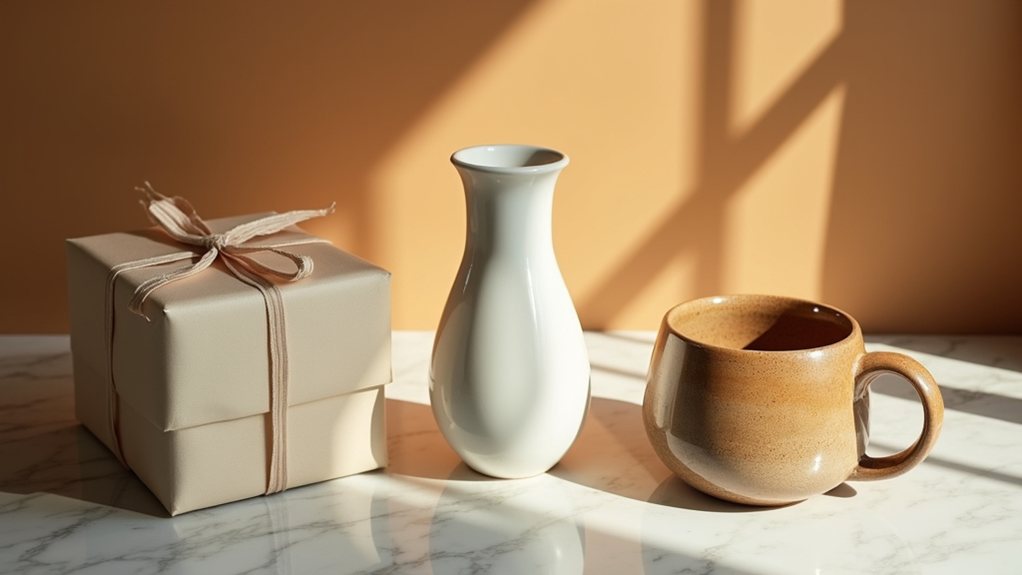
Honestly, this is one of those questions where the answer depends on who’s receiving the gift. If you’re giving to someone who appreciates fine things, porcelain’s sleek, delicate look will genuinely impress them. It carries a “this person put real thought into this” energy.
Ceramic, though, isn’t automatically less impressive. A beautifully crafted ceramic piece with unique glazing or artisan details can feel just as special, sometimes even more personal. The difference is really about perception. Porcelain says “elegant and refined,” while ceramic says “handcrafted and warm.” Neither is wrong. Think about your recipient’s personality and style before you decide.
Someone who loves rustic, earthy aesthetics will adore ceramic. Someone who prefers clean, classic beauty will treasure porcelain. Match the gift to the person, and you can’t go wrong.
The Best Porcelain and Ceramic Gifts by Occasion
Whether you’re shopping for a major life milestone like a wedding or anniversary, or just looking for something thoughtful for a birthday or housewarming, porcelain and ceramic gifts fit almost every occasion. You’ve got options ranging from elegant porcelain vases and fine dinnerware for the big moments to fun, casual ceramic mugs and bowls for everyday celebrations. And if you really want to make it special, personalized ceramic gifts — think custom name plates, engraved mugs, or hand-painted pieces — add a heartfelt touch that’s hard to beat.
Gifts for Special Milestones
Choosing the right gift for a big milestone can feel like solving a puzzle—you want something meaningful, lasting, and a little special. Porcelain and ceramic pieces check all those boxes beautifully. Here are some great options to consider:
- A porcelain vase for a wedding or anniversary
- Ceramic personalized mugs for graduations
- Hand-painted porcelain jewelry boxes for birthdays
- Ceramic memorial keepsakes for honoring loved ones
- Custom porcelain ornaments for new home celebrations
Each of these gifts carries real sentimental value without feeling overdone. Porcelain’s elegance suits formal milestones, while ceramic’s warmth fits personal, everyday moments. You’re not just giving an object—you’re giving something that’ll stick around long after the party’s over. That’s what makes these materials genuinely perfect for milestone gifting.
Everyday Occasions and Celebrations
Milestone moments deserve all the fanfare they get, but let’s be honest—some of the most meaningful gift-giving happens on regular days. Think birthdays, housewarmings, holiday exchanges, or just a Tuesday when your friend needs cheering up. These everyday occasions are perfect opportunities for ceramic or porcelain gifts. A cheerful ceramic mug fits a cozy birthday morning perfectly. A porcelain vase works beautifully as a housewarming gesture. Holiday gift swaps? A handcrafted ceramic ornament or decorative dish never disappoints. The beauty of these materials is their versatility—they suit casual celebrations just as naturally as big life events. You don’t need a grand reason to give something thoughtful. Sometimes the smallest, most ordinary moments are exactly when a carefully chosen gift means the most.
Personalized Ceramic Gift Ideas
Personalizing a gift takes it from nice to unforgettable, and ceramic and porcelain are two of the best canvases for that personal touch. You can add names, dates, or meaningful quotes to create something truly one-of-a-kind. Here are some ideas to get you started:
- Custom mugs with names or inside jokes
- Personalized photo plates featuring cherished memories
- Engraved porcelain jewelry dishes for a elegant, functional keepsake
- Name-printed ceramic planters for plant lovers who appreciate thoughtful details
- Custom painted ceramic ornaments celebrating special milestones
Whether it’s a birthday, anniversary, or just because, personalized ceramic gifts show real effort. They’re not just pretty objects; they carry meaning. That’s what makes someone smile every time they use them.
When Ceramic Makes a Better Gift Than Porcelain
While porcelain gets a lot of the spotlight, ceramic can actually be the smarter pick depending on who you’re shopping for. If your recipient is a kid, a clumsy college student, or someone who treats their dishes like they’re indestructible, ceramic’s durability gives it a real edge. It handles everyday bumps and drops better than porcelain, so you’re not gifting someone anxiety along with a mug. Ceramic also tends to cost less, which means you can give something thoughtful without stretching your budget. It’s also a fantastic canvas for bold colors and fun designs, making it perfect for personality-driven gifts. If the person you’re buying for values function over formality, ceramic’s your best bet every single time.
Porcelain vs Ceramic: Which Is Right for Your Budget?
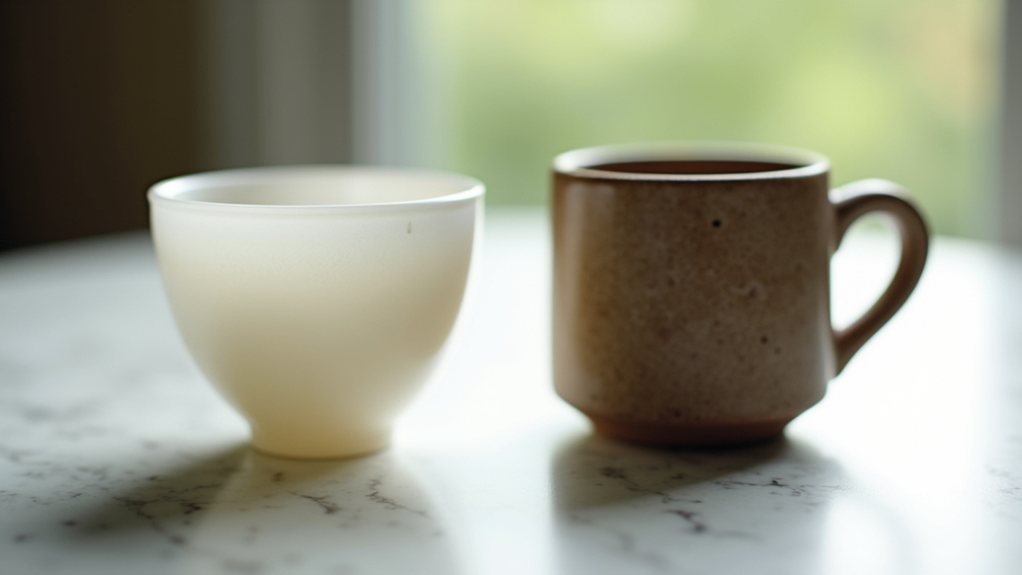
Budget plays a big role in any gift decision, and knowing how porcelain and ceramic stack up price-wise can save you a lot of second-guessing. Here’s a quick breakdown to help you shop smarter:
- Ceramic pieces are generally more affordable, making them perfect for casual or everyday gifts
- Porcelain typically costs more due to its refined materials and detailed craftsmanship
- You’ll find beautiful ceramic options at nearly every price point
- Porcelain makes a stronger impression when you want to splurge on something special
- Both materials offer budget-friendly and premium versions, so you’ve got flexibility
Ultimately, your budget doesn’t have to limit your thoughtfulness. A well-chosen ceramic mug can feel just as meaningful as an elegant porcelain vase, especially when it fits the recipient perfectly.
How to Choose the Right Material for Any Gift
Choosing the right material comes down to knowing your recipient and the occasion. If you’re gifting someone who loves displaying beautiful things, porcelain’s elegant, refined look makes it a natural choice. It signals thoughtfulness and a little extra effort. For someone more practical, ceramic’s durability and relaxed charm work perfectly. Think about how they’ll actually use the gift. A coffee lover who drinks three cups daily needs sturdy ceramic, not delicate porcelain. Budget matters too, but don’t let it stress you out. Ceramic gives you plenty of beautiful options without breaking the bank. Porcelain feels more special for milestone moments like anniversaries or housewarmings. Ultimately, both materials make wonderful gifts when you match them thoughtfully to the person you’re celebrating.
Final Thoughts
Picking the perfect present doesn’t have to be puzzling. Now that you know the difference between porcelain and ceramic, you can shop with confidence. Think about your budget, the occasion, and how the gift will actually be used. A handmade ceramic mug feels just as thoughtful as a delicate porcelain vase — it all depends on what fits the moment. Trust your instincts, and you’ll nail it every time.