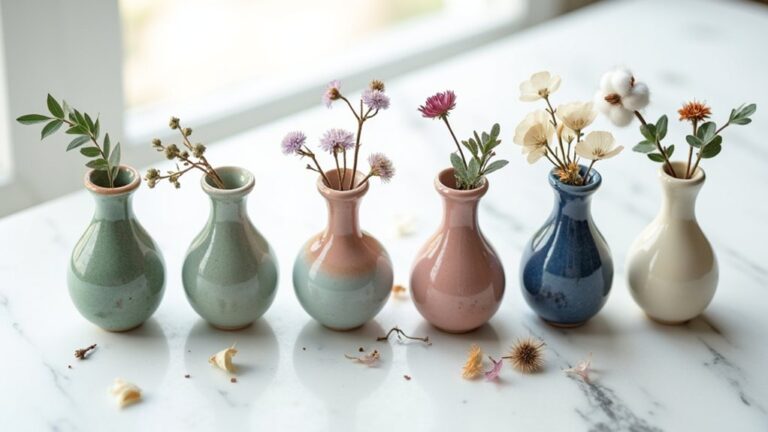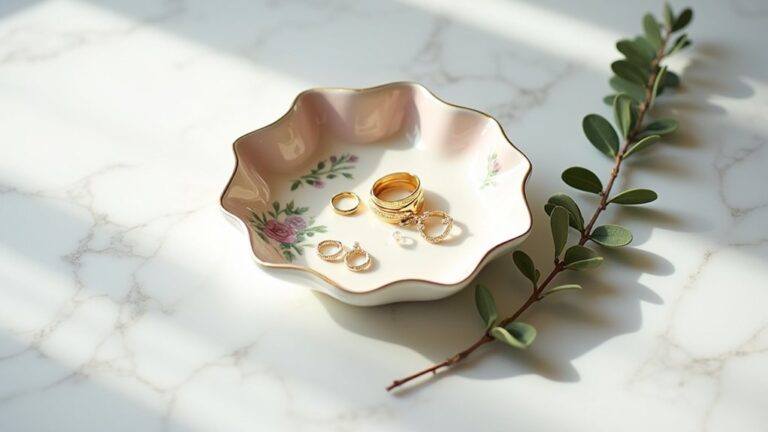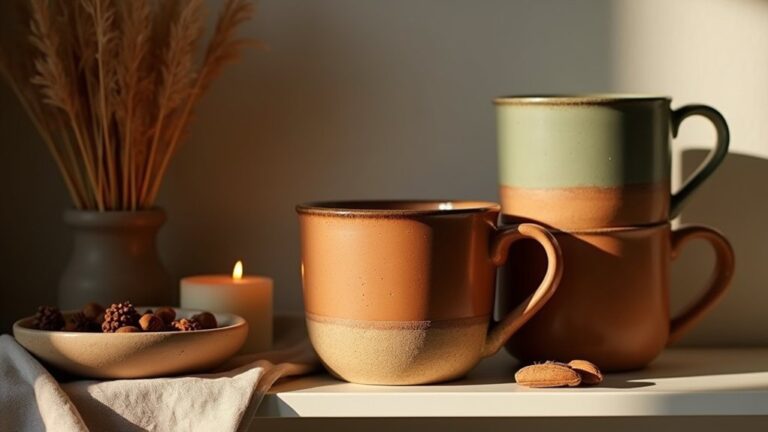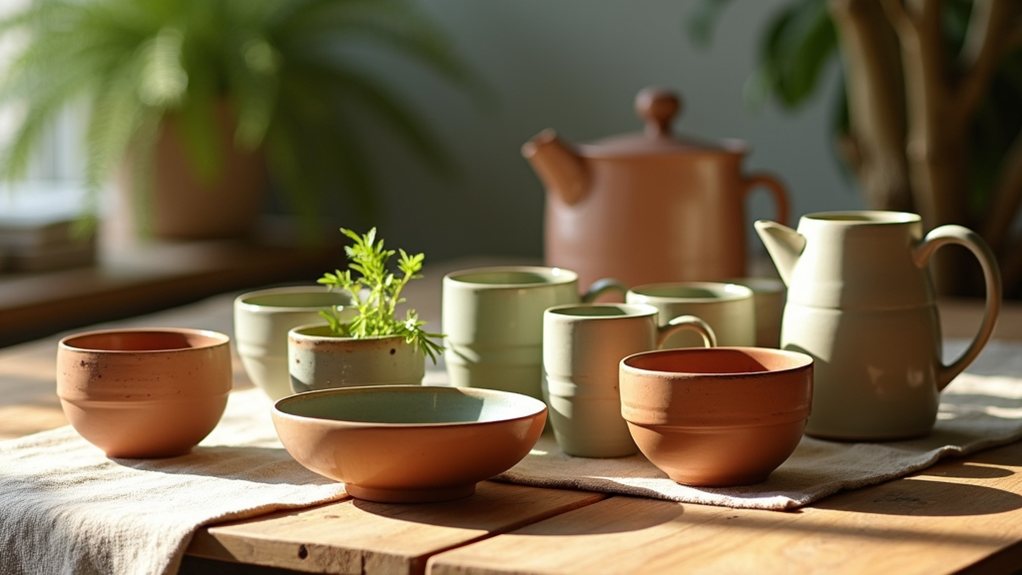
Handmade ceramics beat mass-produced decor because they bring something a factory literally can’t replicate: human intention. Every slight variation in shape, glaze, and texture tells a real story, and no two pieces are ever identical. They’re built to last longer, work across virtually any home style, and actually reduce environmental impact. You’re not just buying a bowl — you’re owning something that exists nowhere else on Earth. Stick around, and you’ll discover exactly why that matters.
Handmade vs. Mass-Produced Ceramics: What Actually Differs
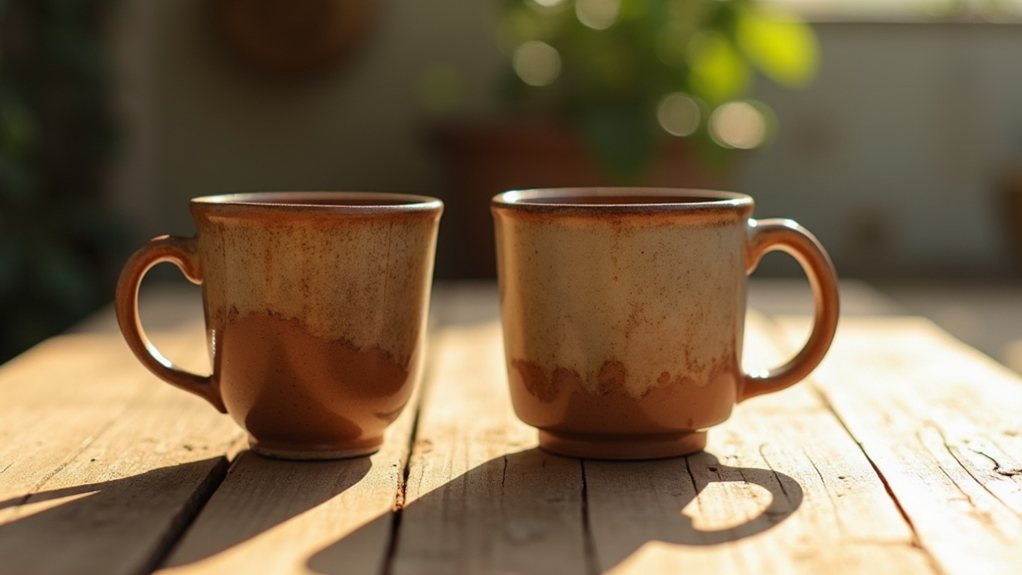
When you pick up a handmade ceramic mug, you’re holding something no machine could replicate — a piece shaped by someone’s actual hands, with all the tiny quirks that come with it. Mass-produced ceramics are identical by design, stamped out by machines in perfect, soulless batches. Handmade pieces, though, carry slight variations in shape, glaze, and texture that make each one genuinely unique. That small dip on the rim? Intentional character, not a defect. The materials differ too — artisan ceramics often use higher-quality clay and glazes applied with real care. Mass production prioritizes speed and uniformity over craftsmanship. You’re inherently choosing between something made for everyone and something made for no one in particular. Handmade ceramics land somewhere far more personal than that. Porcelain Ghost Jumper and other handmade pieces offer a tangible sense of artistry that mass-produced items cannot capture.
Why Handmade Ceramics Hold Up Better Over Time
How long something lasts often comes down to how it was made in the first place. When a potter throws a piece by hand, they control the thickness, the firing temperature, and the finishing touches. That level of care actually matters. Mass-produced ceramics often rush through production, leaving weak spots you can’t see until something chips or cracks. Handmade pieces typically endure longer thanks to longer firing times that strengthen the clay at a deeper level, contributing to greater durability. Gold lustre finishes provide an additional decorative layer that can require careful handling to maintain over time. You’re getting something built to last, not built to ship fast. Sure, a factory mug might survive a few years on your shelf. But a handmade bowl? It could outlive your kitchen renovation. When you invest in quality craftsmanship, you’re choosing durability over convenience, and that’s a trade-off worth making.
The Story Baked Into Every Handmade Ceramic Piece
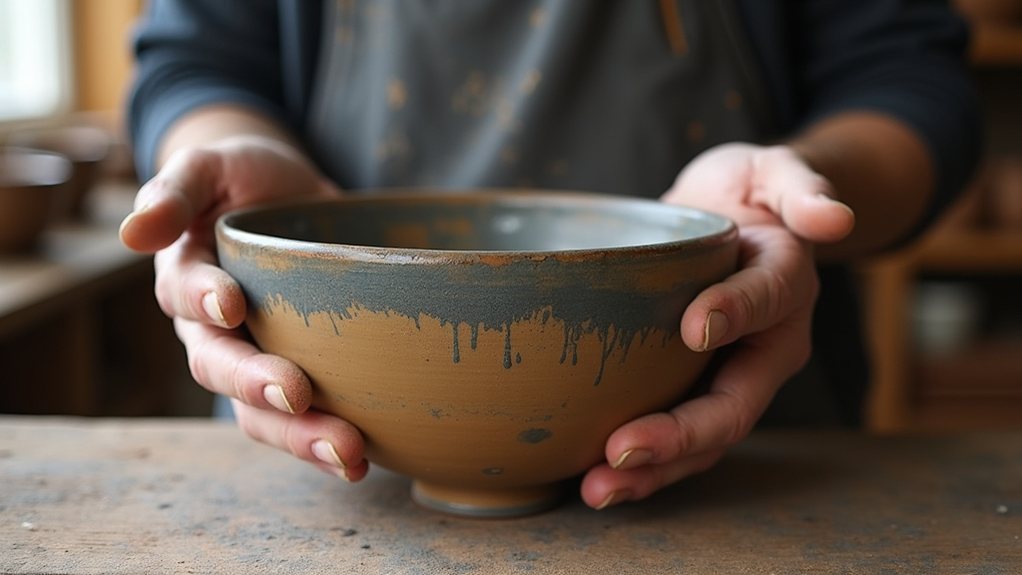
Every handmade ceramic piece carries a story that no factory conveyor belt could ever replicate. When you pick up a handmade bowl or vase, you’re holding something a real person shaped with their own hands. You can sometimes spot the subtle fingerprints, the slight variations in glaze, or that tiny imperfection that makes it uniquely yours. Those little details aren’t flaws; they’re proof that someone actually cared. A machine can’t pour intention into clay, but a skilled potter can. That lopsided edge or uneven rim tells you a human being stood at a wheel, made decisions, and created something just for you. That connection between maker and owner is something mass-produced decor simply can’t offer, no matter how shiny the packaging looks.
Why Handmade Ceramics Are the Sustainable Home Decor Choice
When you choose handmade ceramics, you’re making a decision that’s genuinely good for the planet, not merely your living room. Artisan potters typically use eco-friendly production methods, like locally sourced clay and natural glazes, which keeps their carbon footprint surprisingly small compared to factory manufacturing.
And since handmade pieces are built to last, you’re not replacing them every few years like you might with cheaper, mass-produced alternatives.
Eco-Friendly Production Methods
Choosing handmade ceramics isn’t merely a style decision — it’s an environmental one, too. When you buy handmade, you’re supporting a process that’s gentler on the planet than factory production. Small-batch potters typically use fewer resources, generate less waste, and skip the heavy industrial machinery that guzzles energy. That’s a win you can feel good about.
Here’s what makes handmade ceramics eco-friendlier:
- Lower energy consumption — small kilns use far less power than industrial furnaces
- Natural, non-toxic materials — many potters choose locally sourced clay and natural glazes
- Minimal packaging waste — handmade pieces skip the excessive plastic wrapping factories rely on
You’re not just decorating your home — you’re making a choice that actually matters for the environment.
Reduced Carbon Footprint Benefits
Handmade ceramics don’t just look great on your shelf — they also carry a much smaller carbon footprint than anything rolling off a factory conveyor belt. When a local potter fires up their kiln, they’re not running massive industrial machinery that guzzles energy around the clock. You’re supporting a process that uses far less fuel, produces fewer emissions, and doesn’t require shipping containers crossing entire oceans just to land on your coffee table.
Mass production facilities burn through enormous amounts of energy daily, and that cost hits the planet hard. Choosing handmade means you’re actively reducing demand for those energy-hungry operations. It’s honestly one of the easiest environmental choices you can make — and your home ends up looking better for it too.
Long-Lasting Durable Materials
There’s a reason your grandmother’s ceramic vase is still sitting pretty on the mantle decades later — handmade ceramics are built to last. Unlike flimsy mass-produced decor that chips, fades, or falls apart within a few years, handmade pieces hold up beautifully over time.
Here’s what makes them so durable:
- High-fire kiln techniques create incredibly dense, strong material that resists daily wear
- Natural clay compositions don’t break down or off-gas harmful chemicals like cheaper synthetic alternatives
- Thick, intentional construction means each piece can handle real-life use without crumbling
When you invest in handmade ceramics, you’re choosing something that genuinely lasts generations. That’s not just good for your home — it’s good for the planet, since you’re buying less and replacing nothing.
What Genuine One-of-a-Kind Really Means in Handmade Ceramics
When you pick up a handmade ceramic piece, you’re holding something that literally can’t be duplicated, not even by the potter who made it.
Each tiny wobble, glaze drip, or fingerprint impression tells the story of a specific moment in that artist’s hands, making your piece genuinely one-of-a-kind.
It’s not a marketing gimmick or a sales pitch — it’s just the beautiful, unavoidable truth of how handmade ceramics work.
Unique Imperfections Define Authenticity
What makes a ceramic piece truly one-of-a-kind isn’t its price tag or the artist’s reputation — it’s the small, unplanned imperfections baked right into the clay. When you hold a handmade mug, you’re holding something no machine could replicate. Those tiny wobbles and subtle texture variations aren’t flaws — they’re fingerprints of the creative process.
Here’s what makes these imperfections so special:
- Slight asymmetry gives each piece a natural, organic feel you won’t find in factory-made items
- Uneven glaze pooling creates color depth that looks genuinely alive under different lighting
- Subtle surface texture means every piece tells its own tactile story
You didn’t buy something perfect. You bought something real, and that difference matters more than you’d think.
No Two Pieces Alike
Have you ever noticed how no two snowflakes are alike — and yet, somehow, that fact still manages to blow your mind every time you really think about it?
Handmade ceramics work the same way. When a potter shapes clay by hand, tiny variations happen naturally. A slight tilt here, a finger impression there — these aren’t mistakes. They’re proof that a real human made your piece.
Mass-produced decor guarantees perfect uniformity, which sounds great until you realize your neighbor owns the exact same bowl. With handmade ceramics, you’re getting something genuinely one-of-a-kind. No factory can replicate the specific moment a craftsperson shaped your piece.
That’s not marketing language — it’s just reality. You own something that literally exists nowhere else on Earth.
Why Handmade Ceramics Work in Any Room, Any Style
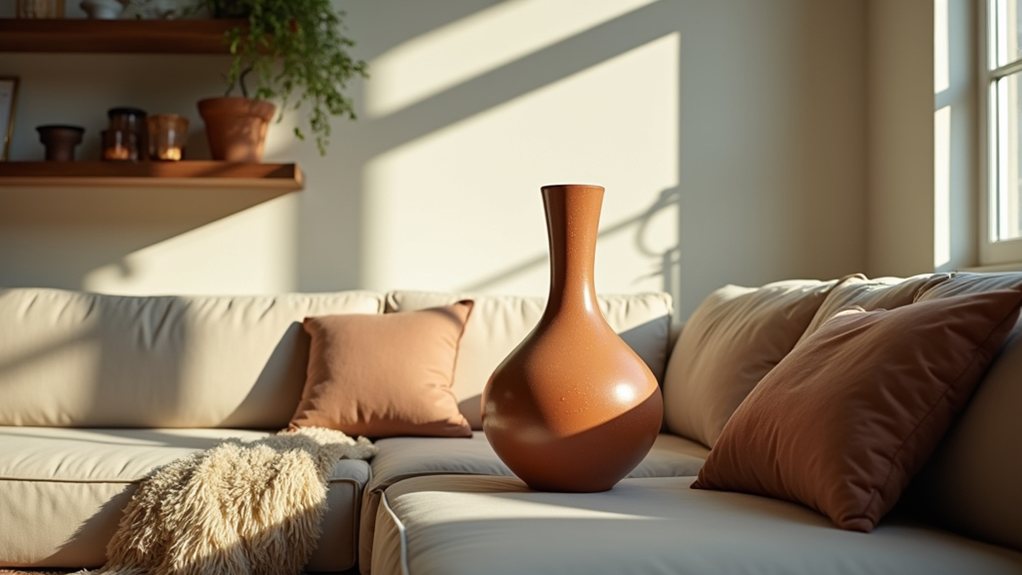
One of the best things about handmade ceramics is that they don’t play favorites with your home’s style. Whether your space is modern, rustic, bohemian, or somewhere in between, a handmade piece fits right in. That’s the magic of something made with real human hands.
Here’s why handmade ceramics adapt so effortlessly:
- Neutral tones and organic shapes complement almost any color palette or furniture style.
- Varied textures add visual interest without competing with your existing décor.
- Timeless craftsmanship means a piece won’t feel outdated next season like trendy mass-produced items often do.
You can place a handmade vase in your bathroom, kitchen, or living room, and it simply works. It’s versatile without trying too hard, which is honestly a rare quality in home décor.
Why Handmade Ceramics Cost More (And Why That’s a Good Thing)
Let’s be honest — seeing a higher price tag on a handmade ceramic piece can make you hesitate. But that cost tells a story worth hearing. A skilled artisan spends hours shaping, drying, glazing, and firing each piece by hand. You’re not paying for a machine’s five-second mold cycle. You’re investing in someone’s craft, time, and expertise. Handmade ceramics also last longer when cared for properly, meaning you won’t replace them every few years like cheaper, mass-produced alternatives. Think of it as cost-per-use math — the numbers actually favor quality. Plus, owning something genuinely unique adds real value to your space that no factory can replicate. That higher price isn’t a drawback. It’s proof you chose something better.
Where to Buy Handmade Ceramics That Are Actually Worth It
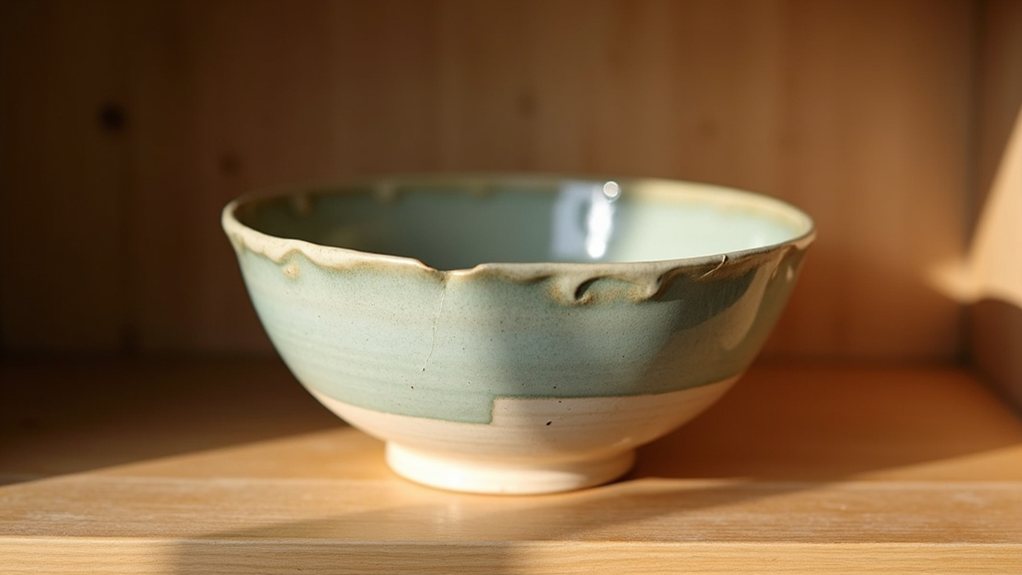
Knowing where to look makes all the difference when you’re hunting for handmade ceramics that are actually worth your money. Skip the big-box stores and start exploring these smarter options instead:
- Local craft fairs and art markets – You’ll meet the actual maker, which means you can ask questions and hear the story behind each piece.
- Etsy shops with strong reviews – Look for sellers with detailed photos and consistent customer feedback before buying.
- Studio pottery sales and open workshops – Many ceramic artists host seasonal sales directly from their studios, cutting out the middleman entirely.
Buying directly from artists keeps your money in the right hands. You’re not just decorating your home; you’re supporting someone’s livelihood and craft.
Final Thoughts
Mass-produced decor fills your shelves fast but leaves your home feeling empty. Handmade ceramics do the opposite — they slow things down and add something real. You’re not simply buying a bowl or a vase; you’re choosing craft over convenience, meaning over mass production. Sure, it costs more upfront, but you’re getting something that actually lasts — in quality, in character, and in the stories it carries into your home.