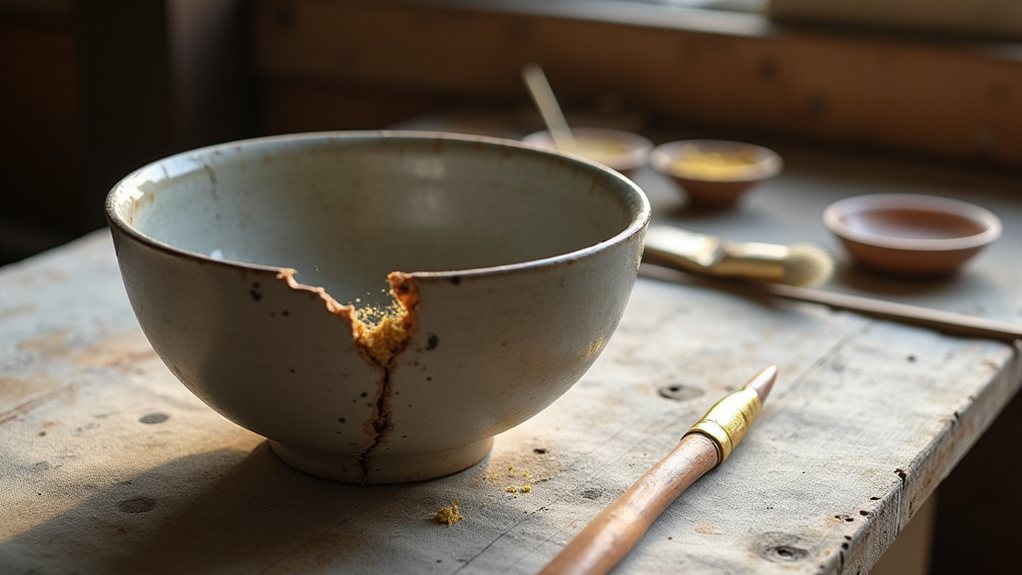
Yes, you can repair handmade pottery in many cases, and it’s not as complicated as it sounds. Small surface chips and hairline cracks are usually fixable with food-safe epoxy or ceramic adhesive. Structural cracks that split a piece nearly in half are trickier and sometimes can’t be safely restored. The type of damage you’re dealing with completely changes your repair approach, and knowing the difference will help you figure out exactly what to do next.
Chips and Cracks in Pottery: What Can Actually Be Saved
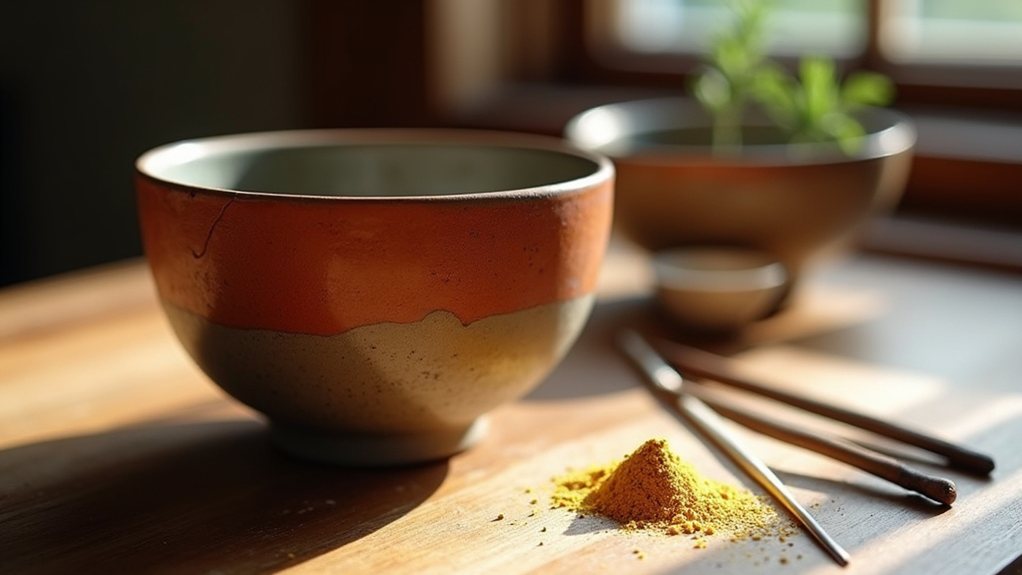
When your favorite handmade mug chips or your cherished ceramic bowl develops a crack, it’s easy to assume it’s done for good. But that’s not always true. Whether a piece can be saved depends on the damage type and how you use the pottery. Small chips on the rim or base are usually fixable. Hairline cracks can often be stabilized, too. However, deep structural cracks that split a piece nearly in half are trickier and sometimes impossible to restore safely. Pottery you eat or drink from needs extra attention, since some repair methods aren’t food-safe. Decorative pieces have more options. So before you toss that cracked bowl, take a closer look. You can learn about the practical steps for safe repairs and consider options like using a porcelain-safe adhesive for non-ceremonial display pieces, which may extend the life of the item. Repairable porcelain may offer a surprising path to salvage.
Surface Chip vs. Structural Crack : Why the Difference Matters for Repair
Not all pottery damage is created equal, and knowing the difference can save you a lot of wasted effort. A surface chip only affects the glaze or outer layer, while a structural crack runs deeper, compromising the piece’s integrity. Here’s why that distinction matters:
- Surface chips are usually fixable with food-safe epoxy or glaze repair kits.
- Structural cracks often mean the pottery can’t hold liquids safely anymore.
- Hairline cracks look minor but can worsen with heat or water exposure.
- Through-cracks splitting the entire wall typically make functional repair impossible.
Sometimes a cracked mug becomes a pencil holder, and that’s perfectly okay. Nonspecific
DIY Pottery Repair Methods That Work by Damage Type
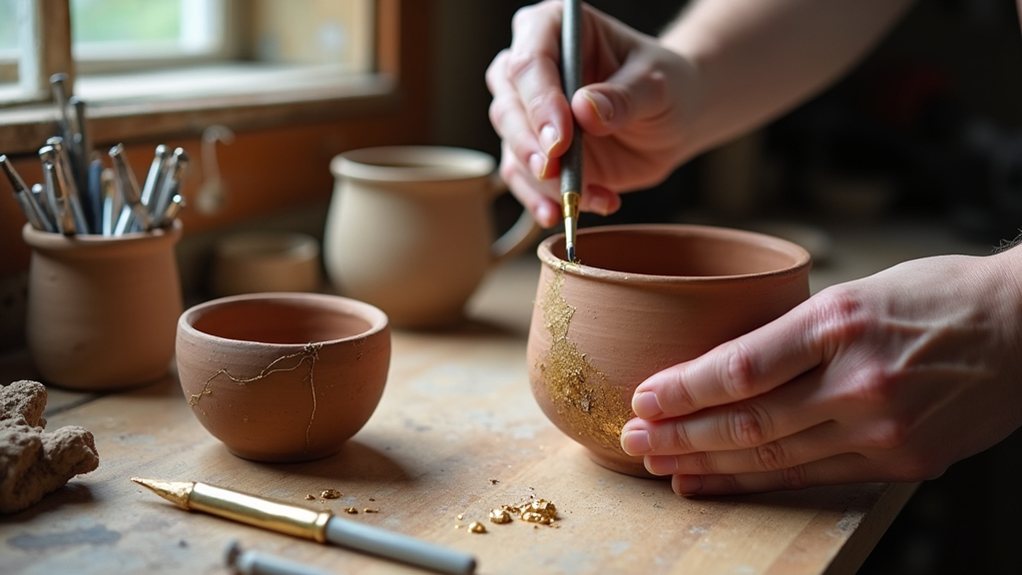
Once you know what kind of damage you’re dealing with, the actual repair process gets a lot more manageable. For small surface chips, food-safe epoxy or ceramic adhesive works well. Clean the area, apply the adhesive carefully, and let it cure fully before using the piece again.
For hairline cracks that haven’t split the piece apart, thin cyanoacrylate glue can seep into the crack and bond it from the inside out. It’s surprisingly effective for something so simple.
If a piece has broken into clean fragments, two-part epoxy gives you the strongest hold. Align the pieces carefully before the adhesive sets, because you won’t get a second chance to reposition them. Patience here really does pay off.
When a Professional Ceramics Restorer Is Worth the Cost
Sometimes DIY repairs just aren’t enough, and that’s completely okay to admit. Knowing when to call a professional ceramics restorer can save your favorite pieces from permanent damage.
Consider hiring a professional when:
- The piece has significant sentimental or monetary value — a family heirloom deserves expert hands.
- Multiple cracks or breaks are involved — complex damage requires specialized tools and knowledge.
- Food-safe restoration is necessary — professionals use certified, non-toxic adhesives that keep your pottery table-ready.
- Invisible repairs matter to you — restorers can make damage virtually disappear, which DIY kits simply can’t promise.
Yes, professional restoration costs more upfront, but you’re paying for expertise, precision, and peace of mind. Sometimes, that’s worth every penny.
How to Protect Repaired Pottery From Breaking Again
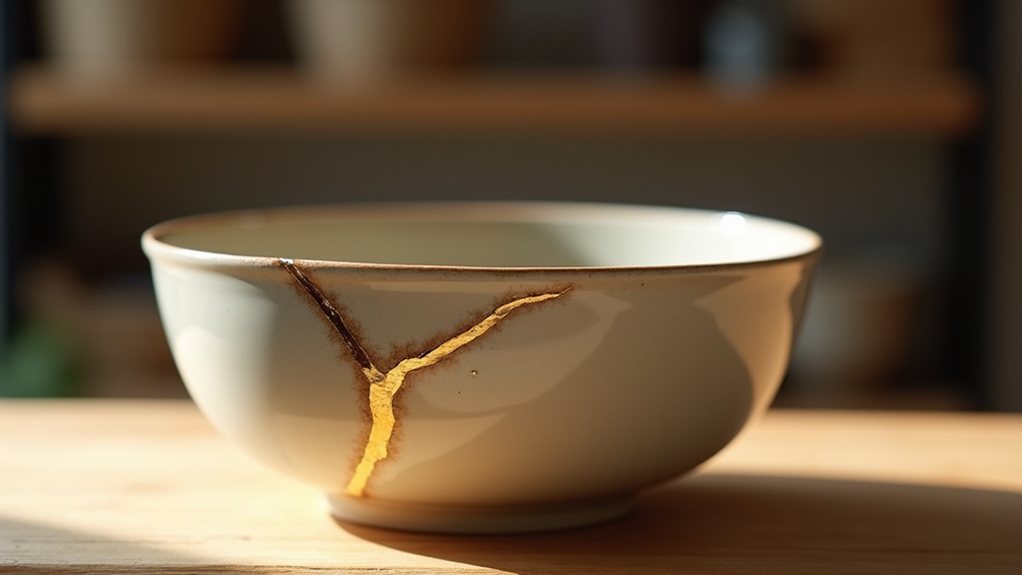
After putting in the effort to repair your pottery, the last thing you want is for it to break again. Treat repaired pieces gently, since the fixed areas are often weaker than the original ceramic. Keep them away from extreme temperature changes, which can stress the repair and cause new cracks.
Avoid putting repaired pottery in the microwave or dishwasher, even if it felt rock-solid coming out of the oven. Hand-washing with mild soap is your safest bet.
Store repaired pieces carefully, using soft padding or cloth between stacked items. Display them where they won’t get knocked over easily.
Think of repaired pottery like a healed broken bone, it’s functional again, but it deserves a little extra care going forward.
Final Thoughts
Your favorite mug or bowl doesn’t have to become a tragic casualty of a clumsy moment. Studies show that Americans throw away over 4 million tons of ceramics annually — that’s a lot of heartbreak headed straight to landfills. Whether you’re patching a chip yourself or calling in a professional, you’ve got real options. With the right repair method and a little care, your cherished piece can keep telling its story.