Stoneware pottery is a type of ceramic fired at high temperatures, usually between 2,100°F and 2,400°F, which transforms raw clay into something incredibly dense and durable. It won’t absorb water, resists chips, and handles daily use without complaint. You’ll find it shaped into mugs, bowls, plates, and baking dishes that last for years. It sits perfectly between fragile porcelain and porous earthenware, making it a practical favorite, and there’s plenty more to uncover about what makes it special.
What Is Stoneware Pottery, Exactly?
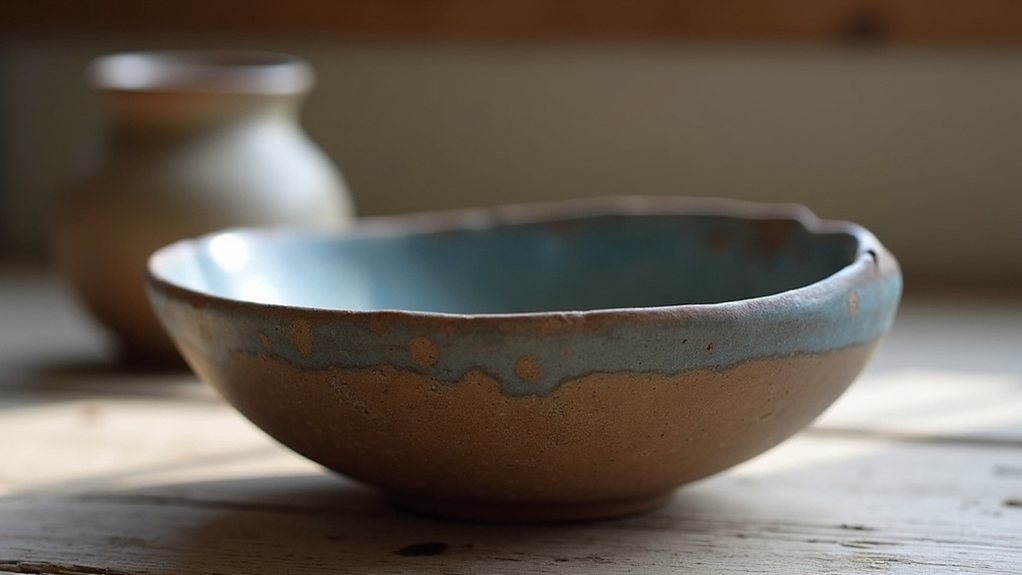
Stoneware pottery is a type of ceramic that’s fired at high temperatures, typically between 2,100°F and 2,400°F. That intense heat transforms raw clay into something incredibly strong and durable. Think of it like baking a cake, except instead of dessert, you get a bowl that’ll outlast your great-grandchildren.
Unlike earthenware, stoneware becomes dense and non-porous after firing, meaning it won’t absorb water or crack easily. That’s why you’ll find it used for mugs, plates, and everyday dishes. It’s genuinely built to handle real life.
You’ve probably already used stoneware without realizing it. That chunky coffee mug you love? Likely stoneware. It’s practical, beautiful, and surprisingly versatile, making it a fantastic starting point for anyone curious about pottery. durability features
How Stoneware Differs From Earthenware and Porcelain
Once you know what stoneware is, it’s natural to wonder how it stacks up against earthenware and porcelain — and the differences are pretty eye-opening.
Firing temperature is a big one, since earthenware bakes at lower heat and stays more porous, while porcelain fires at scorching high temps and comes out ultra-refined.
Stoneware hits that sweet spot in the middle, giving you a dense, durable ceramic that’s tough enough for daily use but doesn’t require the fussiness of porcelain. Porcelain’s high-temperature firing contributes to its distinctive smoothness and lustrous finish, while stoneware maintains a robust, everyday practicality durability and heat level.
Firing Temperature Comparison
One of the biggest things that sets different types of clay apart is how hot they need to get in the kiln. Think of it like cooking — different dishes need different temperatures, and clay is no different. Earthenware fires at the lowest temperatures, usually between 1,800°F and 2,100°F, which is why it stays porous and softer.
Stoneware kicks things up a notch, firing between 2,100°F and 2,370°F, giving it that tough, dense quality you love.
Porcelain fires at the highest range, often reaching 2,300°F to 2,400°F, making it incredibly refined and translucent. These temperature differences aren’t just trivia — they directly affect how durable, waterproof, and functional your finished pottery will be. Higher heat means stronger results, and stoneware hits that sweet spot perfectly.
Density and Porosity Differences
Temperature isn’t the only thing that makes stoneware stand out — what happens *because* of that heat is just as interesting. When you fire stoneware at such high temperatures, the clay particles fuse together tightly, creating a dense, strong material. That density means stoneware is nearly non-porous, so it won’t absorb water or bacteria the way earthenware does. Earthenware stays pretty porous unless you glaze every inch of it — skip a spot, and moisture sneaks right in.
Porcelain is also non-porous, but it’s actually denser and more refined than stoneware, giving it that delicate, almost glass-like quality. Stoneware hits a sweet middle ground — it’s tough, practical, and resistant to liquids without feeling fragile. That balance makes it genuinely reliable for everyday use.
Aesthetic and Practical Uses
So why does any of this matter when you’re actually using the pottery? It affects everything from how your coffee stays warm to whether your casserole dish survives the oven. Here’s what stoneware’s density and low porosity mean for you practically:
- Durability – It resists chips and cracks better than earthenware.
- Heat retention – Your food stays warmer longer, which you’ll appreciate at dinner.
- Low maintenance – It doesn’t absorb liquids, so cleaning’s easier.
- Versatility – It goes from oven to table without drama.
Porcelain looks fancier but feels delicate. Earthenware’s charming but thirsty. Stoneware hits that sweet spot between toughness and beauty. It’s the reliable friend who also cleans up nicely for special occasions.
The Ingredients That Make Up Stoneware Clay
When you’re working with stoneware clay, it’s helpful to know what’s actually in it — and don’t worry, it’s not as complicated as it sounds.
The primary clay body components include a base of naturally occurring clay minerals, like kaolin and ball clay, which give stoneware its structure and workability.
On top of that, potters add essential minerals and additives, such as feldspar, silica, and grog, to fine-tune how the clay handles heat, shrinkage, and texture.
Primary Clay Body Components
What actually goes into stoneware clay? Well, it’s not as simple as digging up some dirt and calling it a day. Stoneware clay is a carefully balanced mixture of materials, each playing a specific role. Here’s what you’re typically working with:
- Primary clay – This forms the backbone of the mixture, giving it plasticity so you can actually shape it.
- Feldspar – This acts as a flux, helping the clay melt slightly and fuse together during firing.
- Silica – This adds strength and stability to the finished piece.
- Grog – This is pre-fired, crushed clay that reduces shrinkage and adds texture.
Together, these ingredients create a clay body that’s durable, workable, and perfect for functional pottery.
Essential Minerals and Additives
Beyond the basic building blocks, stoneware clay gets its unique character from a mix of minerals and additives that fine-tune how it behaves in your hands and in the kiln. Feldspar is a big one — it acts like a natural glue during firing, helping the clay particles fuse together and creating that signature dense, stone-like quality. Silica adds strength and helps the piece hold its shape through intense heat. Grog, which is basically pre-fired, crushed clay, gets mixed in to reduce shrinkage and prevent cracking. Think of it as the clay’s built-in stress reliever. Iron oxide and other minerals affect color, giving stoneware its earthy, warm tones. Each additive plays a specific role, making stoneware incredibly versatile and forgiving for beginners and experienced potters alike.
Why Stoneware Is So Much Stronger Than Other Ceramics
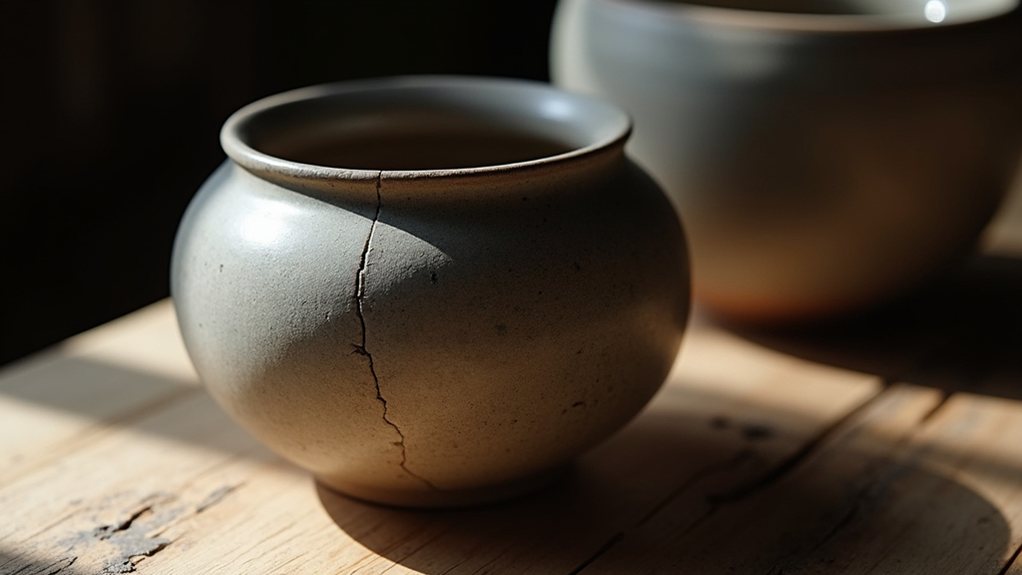
So, why is stoneware tougher than other ceramics? It all comes down to how it’s made. When you fire stoneware at high temperatures, something almost magical happens — the clay vitrifies, meaning it turns glass-like and incredibly dense. Here’s what makes it stand out:
- Vitrification creates a near-impenetrable surface
- High firing temperatures (2,100–2,400°F) burn away weak spots
- Dense structure resists chipping, cracking, and water absorption
- Natural minerals fuse together, adding serious strength
Compare that to earthenware, which stays porous and fragile, or porcelain, which is strong but brittle. Stoneware hits that sweet spot — tough, durable, and practical. It’s basically the superhero of ceramics, minus the cape. You’ll appreciate that strength every time you use it.
How Potters Glaze Stoneware and the Techniques They Use
Glazing stoneware is where science meets art, and it’s honestly one of the most exciting parts of the whole process. You can dip, brush, or pour glaze onto your piece, and each method gives you a completely different result. Dipping is fast and covers large surfaces evenly, while brushing lets you layer colors with more control. Pouring works beautifully for decorative effects, creating those gorgeous, unpredictable drips you’ve probably admired on handmade mugs. Some potters even wax the bottoms of their pieces before glazing, which keeps glaze off the kiln shelf. Once you fire the glazed piece at high temperatures, a chemical reaction transforms that dull coating into a glassy, waterproof surface. It’s almost like magic, except the chemistry textbooks would disagree.
How Stoneware Is Fired and Why Temperature Matters
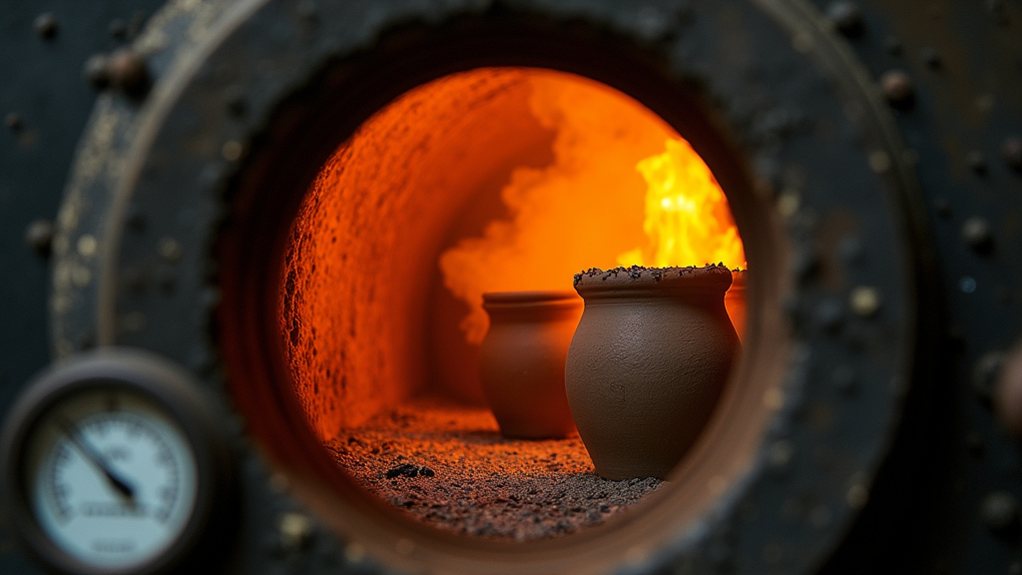
When it comes to firing stoneware, temperature isn’t just a detail — it’s everything.
You’re typically looking at temperatures between 2,100°F and 2,400°F (1,150°C to 1,315°C), which is hot enough to transform clay into something remarkably tough and dense.
That intense heat is what gives stoneware its durability, fusing the clay particles together so tightly that the finished piece can handle daily use without breaking a sweat.
Firing Temperature Ranges Explained
Firing temperature is what truly separates stoneware from other types of clay. It’s not just about heat — it’s about hitting the right range to transform raw clay into something durable and beautiful. Here’s a quick breakdown of the main firing ranges you’ll encounter:
- Low-fire (earthenware): 1,800–2,100°F — porous and fragile
- Mid-fire (stoneware): 2,100–2,300°F — strong and versatile
- High-fire (stoneware/porcelain): 2,300–2,400°F — incredibly dense and durable
- Cone system: Potters use “cone numbers” to measure heat precisely
You’ll notice stoneware lives comfortably in the mid-to-high range. That intense heat vitrifies the clay, meaning it becomes glass-like inside. Think of it as the clay’s glow-up moment — pressure creates something stronger.
Why Heat Affects Durability
Heat is the secret ingredient that turns a fragile lump of clay into something you could drop on a tile floor and walk away from. When you fire stoneware at high temperatures, the clay particles fuse together through a process called vitrification. Think of it like melting sugar into caramel — separate grains become one solid, unified material. That transformation is what makes stoneware so dense and tough.
Lower-fired ceramics, like earthenware, never fully vitrify, so they stay porous and fragile. Stoneware’s high firing temperature essentially locks everything together, creating a surface that resists water, chips, and daily wear. You’re not just hardening clay — you’re chemically changing it into something entirely new. That’s why heat isn’t just important; it’s everything.
The Most Common Stoneware Forms and What They’re Used For
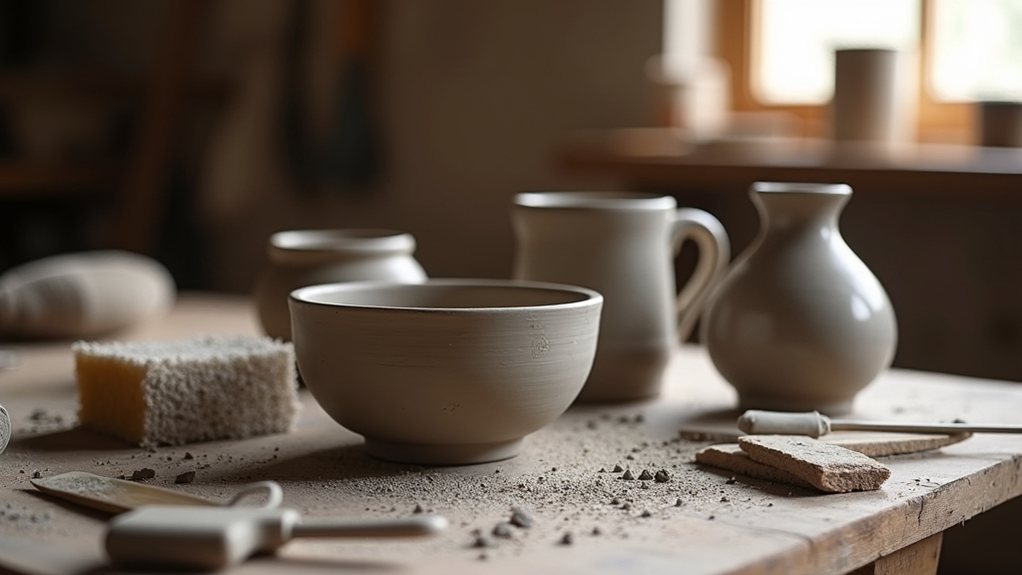
Stoneware comes in a surprising range of shapes, and each one’s designed with a specific purpose in mind. You’ll find it everywhere, from your morning coffee mug to your favorite baking dish. Here are the four most common forms you’ll encounter:
- Mugs and cups – Perfect for hot drinks, since stoneware holds heat beautifully.
- Bowls – Great for soups, salads, and cereal, offering durability for daily use.
- Baking dishes – They handle oven heat evenly, making your casseroles cook better.
- Plates – Sturdy enough for everyday meals without chipping easily.
Each form takes advantage of stoneware’s natural strength and heat retention. Once you start noticing stoneware around your kitchen, you’ll realize it’s been quietly doing heavy lifting all along.
Is Stoneware Safe for Food, Ovens, and Dishwashers?
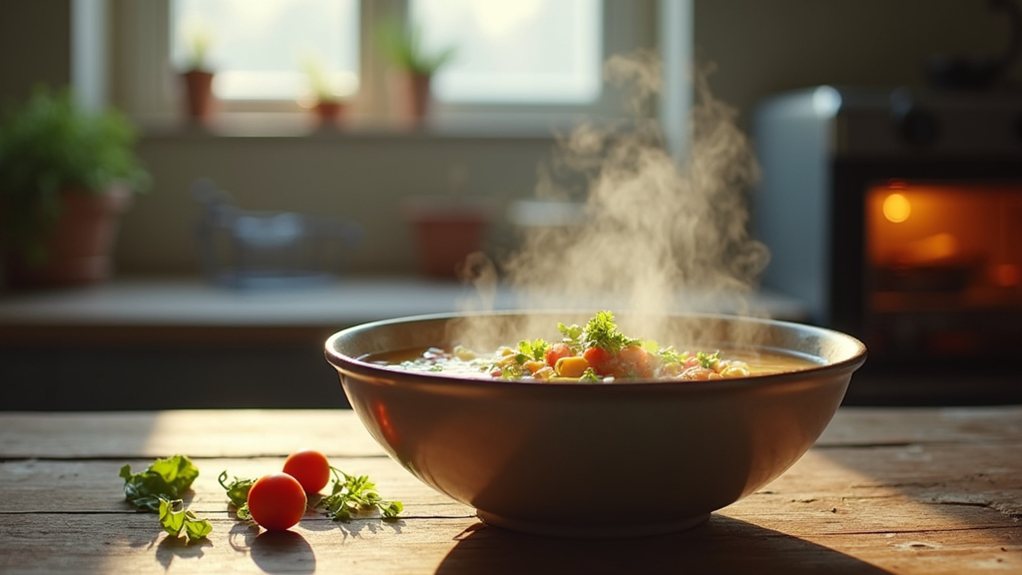
Now that you know what stoneware‘s used for, you’re probably wondering if it’s actually safe to use every day.
The short answer is no — stoneware isn’t always safe for food, ovens, or dishwashers.
While stoneware looks tough and durable, it can actually harbor bacteria in its unglazed areas. Those tiny pores? They’re basically a welcome mat for germs. Even glazed stoneware can leach harmful chemicals into your food if the glaze contains lead or cadmium.
Stoneware also isn’t automatically oven-safe. Sudden temperature changes can crack it, which nobody wants mid-roast. And dishwashers? Harsh detergents can damage the glaze over time.
Always check the manufacturer’s guidelines before using stoneware for cooking, eating, or cleaning. Not all pieces are created equal.
Why Potters Love Working With Stoneware
Despite its quirks, stoneware is genuinely beloved by potters — and it’s easy to see why. When you work with stoneware, you’ll quickly notice it feels sturdy and responsive under your hands. It’s forgiving enough for beginners but still challenges experienced potters to grow. Here’s why so many potters keep coming back to it:
- It’s durable — stoneware survives the throwing process without crumbling easily.
- It fires beautifully — high temperatures create rich, complex surfaces.
- It’s versatile — you can hand-build, wheel-throw, or sculpt with it.
- It feels satisfying — finished pieces actually get used in everyday life.
You’re not just making art — you’re making something functional. That combination keeps potters deeply connected to their craft.
How to Start Making Stoneware Pottery as a Beginner
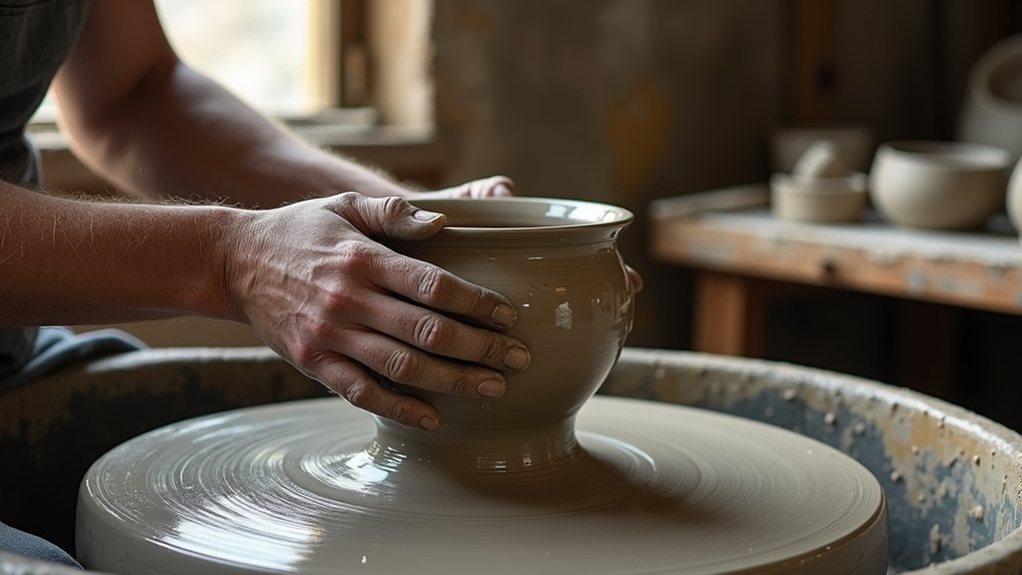
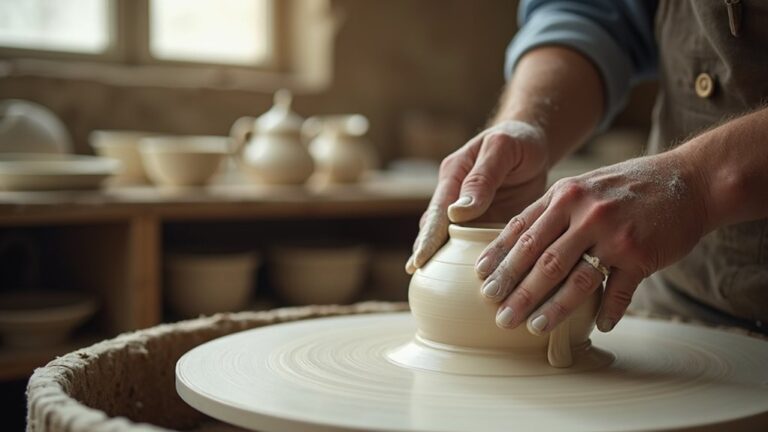
Getting started with stoneware pottery doesn’t require years of experience — just a willingness to get your hands dirty and make a few mistakes along the way. Begin by finding a local pottery class or community studio. These spaces give you access to wheels, kilns, and instructors who’ll keep you from accidentally creating a lopsided disaster. Start with hand-building techniques like pinching or coiling before jumping on the wheel. They’re forgiving, simple, and surprisingly satisfying. Choose a beginner-friendly stoneware clay body, since some clays are easier to work with than others. Practice wedging your clay thoroughly to remove air bubbles — skipping this step can cause your piece to crack during firing. Be patient, stay curious, and enjoy the messy, rewarding process.
Final Thoughts
Stoneware pottery is your gateway into a craft that’s stood the test of time. Whether you’re drawn to its durability, its rustic beauty, or the meditative process of shaping clay, there’s something genuinely rewarding waiting for you. Think of stoneware as a loyal friend—tough when life gets messy, beautiful when things calm down. So grab some clay, welcome the learning curve, and start creating something that’ll outlast the weekend.