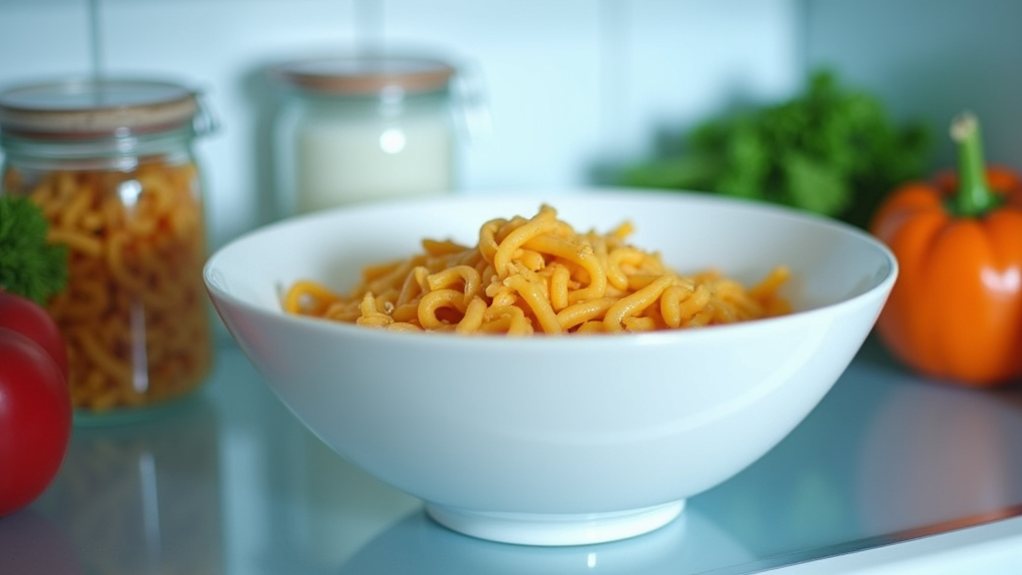
You can put porcelain in the fridge, but it’s not a one-size-fits-all situation. Some porcelain handles cold just fine, while cheaper or older pieces can crack under the pressure of temperature changes. Delicate finishes like gold or platinum lustre need extra care, too. Always check your dish’s label before storing food in it. Stick around, and you’ll find out exactly which porcelain is fridge-friendly and how to keep yours safe.
Is It Safe to Put Porcelain in the Fridge?
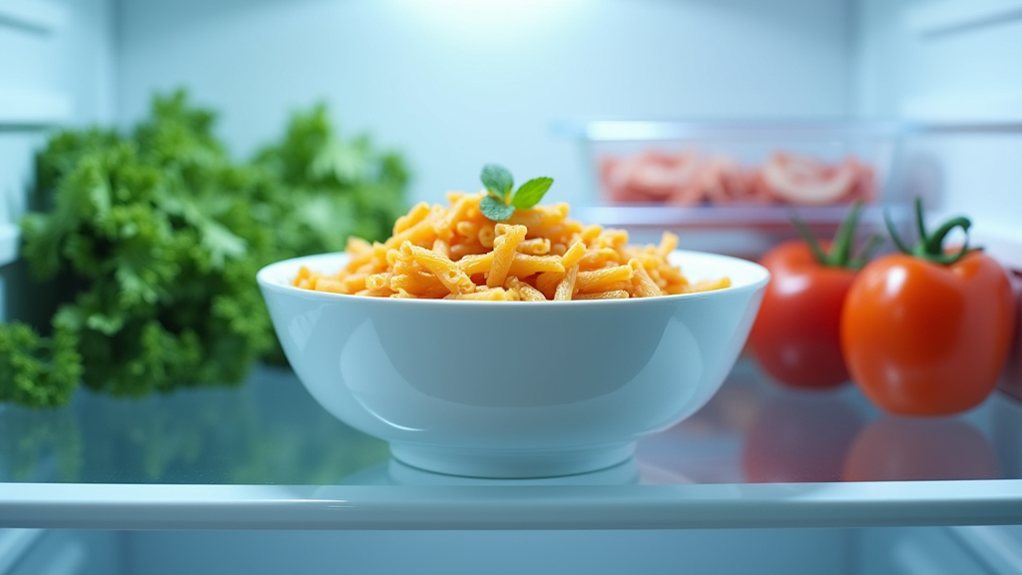
Putting porcelain in the fridge isn’t as straightforward as it might seem. While porcelain looks elegant and sturdy, it doesn’t always handle temperature changes well. Some porcelain pieces are fridge-safe, but others can crack or even break when exposed to cold temperatures. It all depends on the quality and type of porcelain you’re using.
You’ll want to check whether your porcelain is labeled as fridge-safe before storing food in it. Cheaper or older pieces are more likely to have tiny cracks that worsen in the cold. Think of it like sending a friend who hates winter straight into a snowstorm — not a great idea. Always handle your porcelain carefully, and when in doubt, transfer your food to a safer container. Porcelain that features delicate finishes, such as gold lustre detailing, may require extra caution because sharp temperature shifts can affect the glaze and decor. Fridge-safe porcelain can be suitable for certain uses, but verify care instructions and avoid rapid temperature changes to protect both the piece and its decorative elements.
Which Types of Porcelain Are Fridge-Safe?
Not all porcelain is created equal, and knowing which types are fridge-safe can save you from a cracked dish and a ruined leftovers situation. Unfortunately, no porcelain is actually safe for the fridge. That might surprise you, but it’s true. Even pieces with a platinum lustre detail or a high-quality finish can be vulnerable to thermal shock when moved from a warm kitchen to a cold fridge. Autumn Collection porcelain items, like the Ghostly Porcelain Pumpkins, share this sensitivity and should be treated with care to avoid cracks or chips.
What Happens When You Use the Wrong Porcelain in the Fridge?
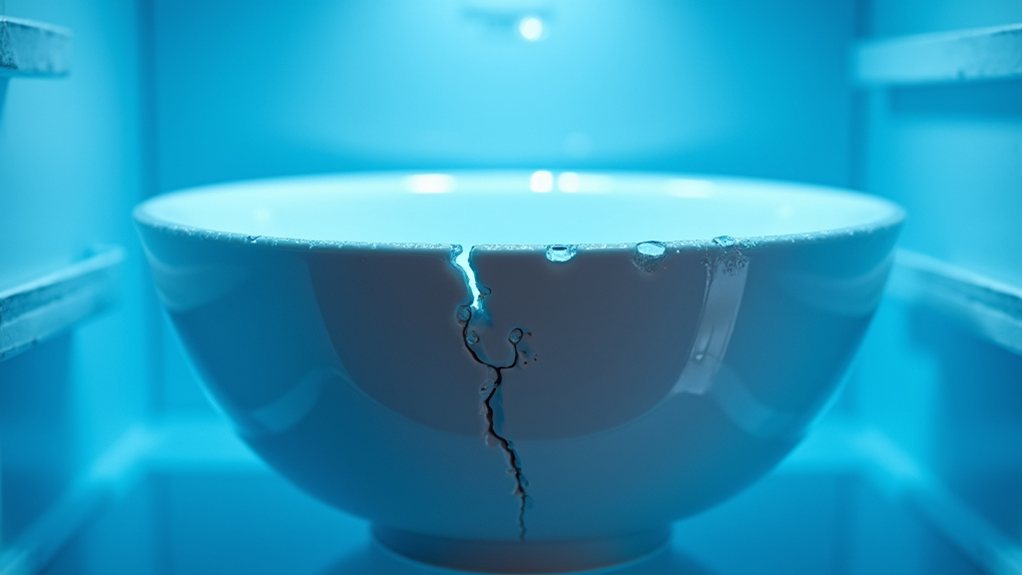
So what actually happens if you go ahead and put porcelain in the fridge anyway? Well, if it’s the wrong type, you’re looking at some real problems. The cold temperature causes the material to contract, and if your porcelain isn’t built for that, tiny cracks can form. These cracks aren’t always visible right away, which makes things sneaky and dangerous. Over time, bacteria can hide inside those hairline fractures, making your dishes harder to clean properly. You might also notice the glaze starts chipping or crazing, which looks like a spiderweb pattern across the surface. That’s your porcelain basically telling you it’s done. Worst case, a piece could crack completely, ruining your food and your favorite dish all at once.
How to Store Food in Porcelain Without Cracking It
Storing food in porcelain the right way isn’t rocket science, but there are a few tricks that’ll save you from a cracked dish and a ruined meal. First, always let hot food cool down before placing it in the fridge. Sudden temperature changes are your porcelain’s worst enemy. Second, cover your dish with a lid or plastic wrap to keep moisture from messing with the glaze. Third, don’t stack heavy items on top of your porcelain — it’s not a weight-lifting competition. Finally, place your dish gently on a flat fridge shelf so it stays stable. These simple steps keep your porcelain intact and your food fresh, making every storage experience smooth and stress-free.
Can You Move Porcelain Straight From the Fridge to the Oven?
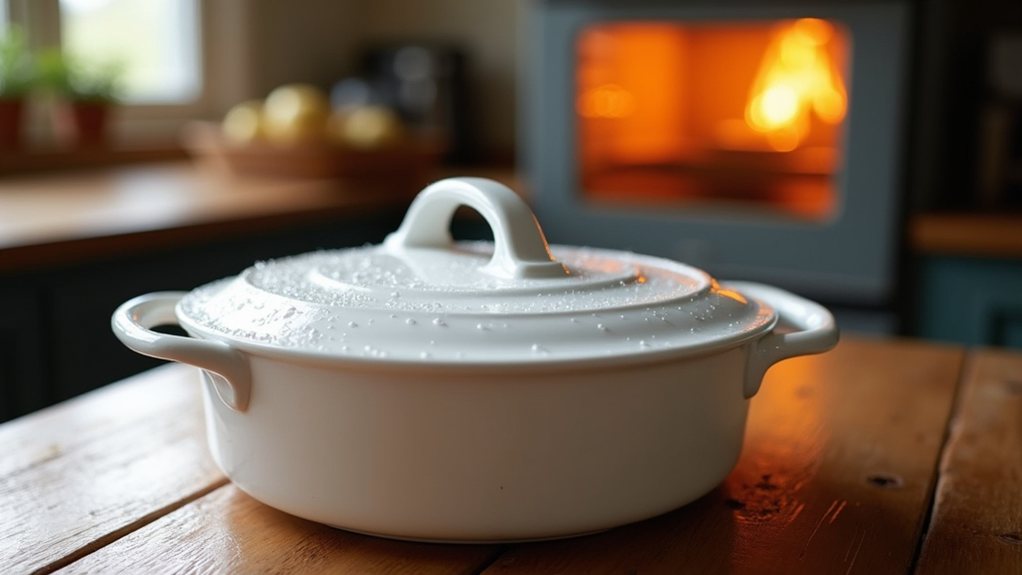
Here’s a hard truth that might surprise you — moving porcelain straight from the fridge to the oven is a bad idea. Even though porcelain is tough, it doesn’t handle sudden temperature changes well. Going from cold to blazing hot creates thermal shock, which can crack or even shatter your dish. That’s a mess nobody wants to deal with, especially mid-recipe.
Instead, let your porcelain sit at room temperature for about 20 to 30 minutes before putting it in the oven. This simple step gives the material time to adjust gradually. Think of it like waking up slowly rather than jumping out of bed — your porcelain needs that transition too. A little patience goes a long way in keeping your dishes intact.
Final Thoughts
Who knew storing leftovers could get so complicated? But now you’re basically a porcelain expert, which is totally a skill worth bragging about. You know which pieces are fridge-safe, how to avoid cracks, and when it’s okay to go straight from cold to hot. So go ahead, store your food in that beautiful porcelain dish. Just don’t blame us if you start judging everyone else’s kitchen storage choices.