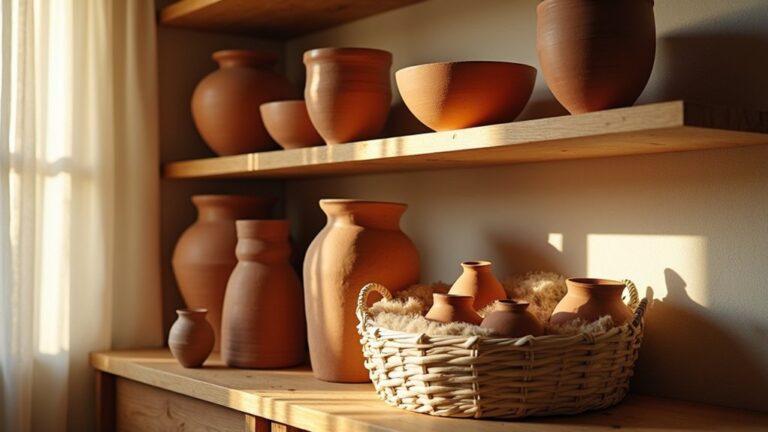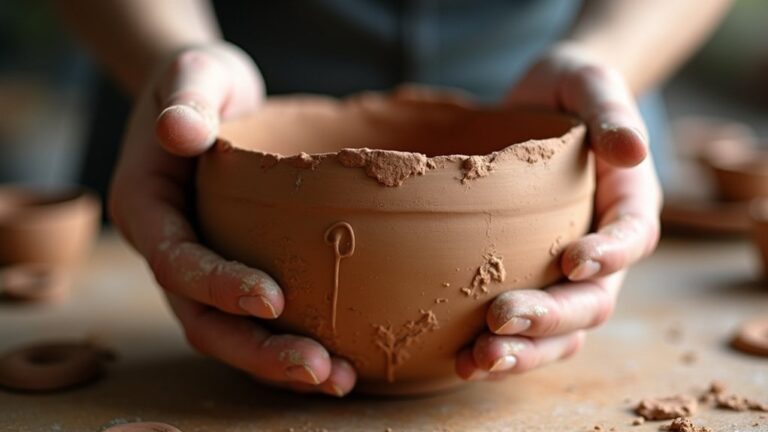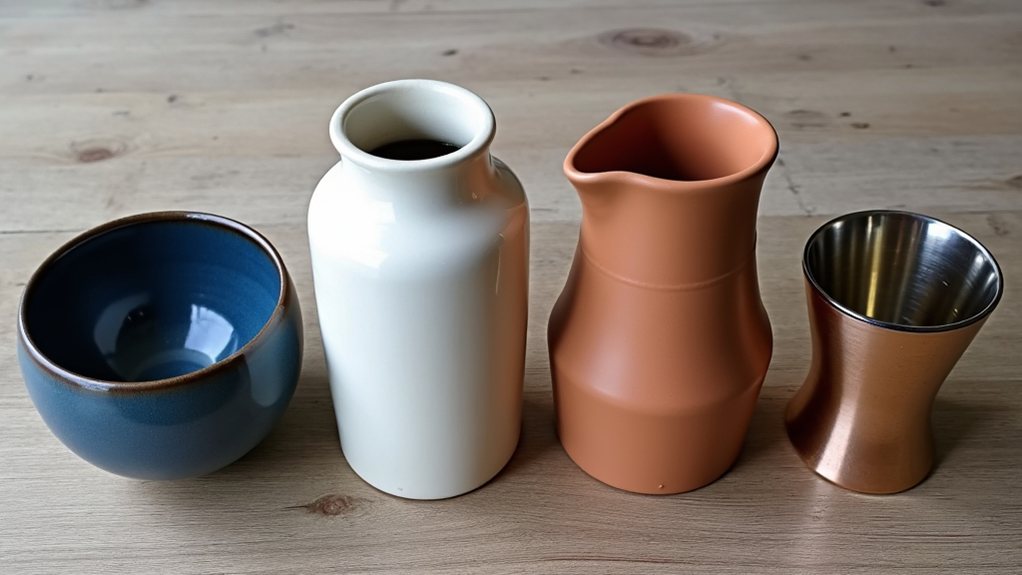
Ceramic glazes come in several main types, and each one gives your pottery a totally different personality. Matte glazes offer a soft, earthy finish, while satin sits right in the middle with a subtle glow. Glossy glazes bring the shine and work beautifully on functional pieces like mugs. Lustre glazes add metallic shimmer, and crystalline glazes grow actual crystals during firing. Stick around, because there’s a lot more to uncover about picking the perfect glaze for your work.
The Main Ceramic Glaze Types Explained
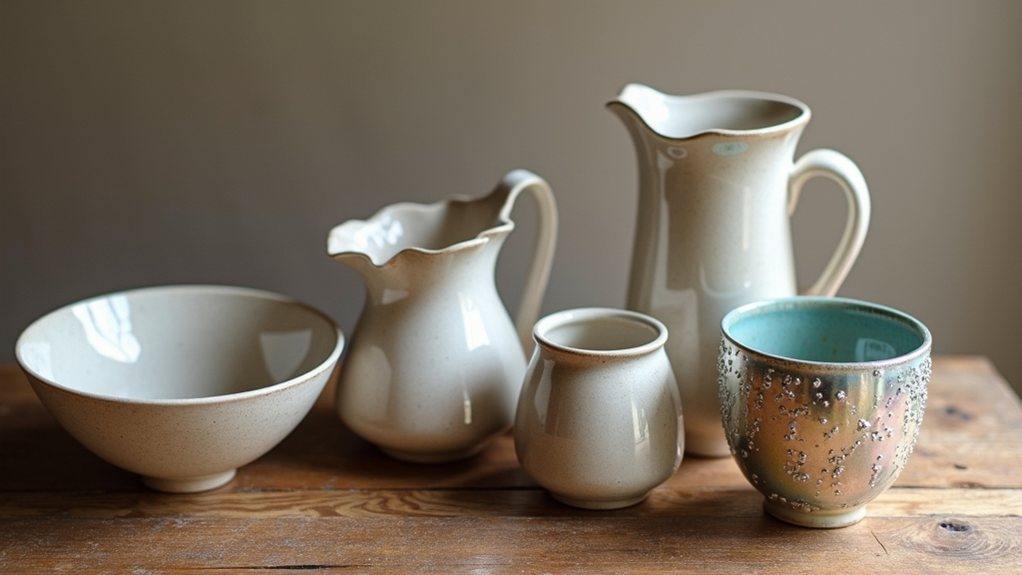
When it comes to ceramic glazes, there’s a whole world of options that can make your pottery shine — literally. Each glaze type brings its own personality to your work, and choosing the right one can feel like picking the perfect outfit for your piece. You’ve got matte glazes for a soft, understated look, glossy glazes for that eye-catching shine, and satin glazes that land somewhere beautifully in between. Then there’s lustre glazes, which add a metallic, almost magical shimmer to your surface. Each type behaves differently during firing, reacts uniquely to color, and creates its own texture. Understanding these differences helps you make smarter creative choices and achieve the exact finish you’re envisioning. Let’s break each one down so you can confidently pick your glaze. Gold lustre accents add a luxurious touch to porcelain surfaces, illustrating how metallic touches can elevate a piece.
Matte, Satin, and Glossy Glazes: What’s the Real Difference?
Now that you know the main glaze types, let’s get into the ones you’ll probably use most — matte, satin, and glossy. Each finish changes how your piece looks and feels, so picking the right one matters more than you’d think.
Here’s a quick breakdown:
- Matte – No shine, soft texture, and a natural, earthy look. Great for rustic or modern pieces.
- Satin – The middle ground. It’s got a subtle glow without screaming “look at me.”
- Glossy – High shine, smooth, and reflective. Perfect when you want your colors to really pop.
For items like the Enchanted Forest Porcelain Mushroom Ring Holder, a matte or satin finish can emphasize the delicate porcelain texture and forest-inspired design, while a glossy finish can highlight the gold lustre accents for a more luxurious effect gold lustre accents. Your choice depends on the vibe you’re going for. Don’t stress it — experimenting is honestly half the fun.
What Makes Lustre and Crystalline Glazes Different?
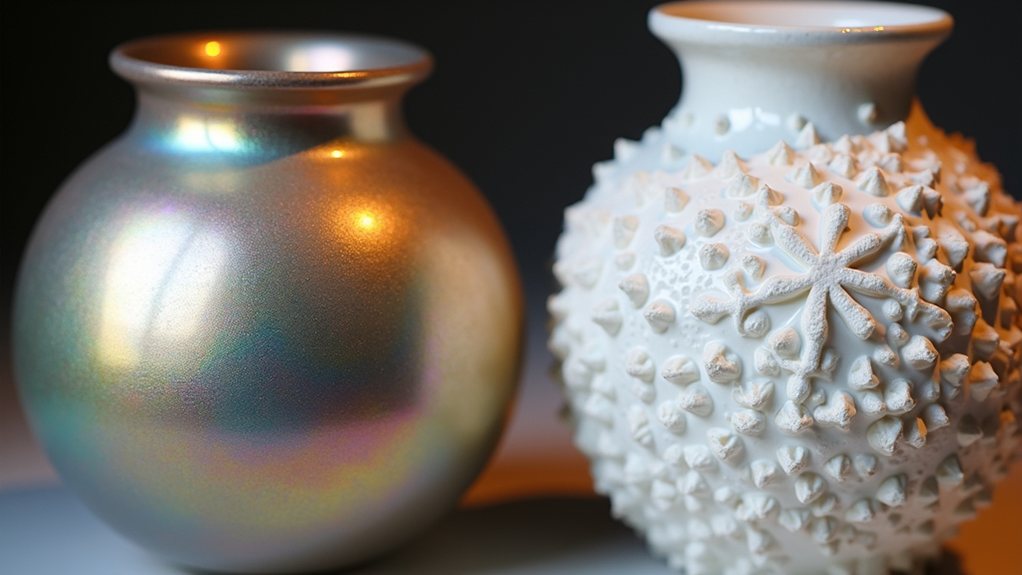
So you’ve got matte, satin, and glossy glazes down — but lustre and crystalline glazes are a whole different ballgame. These two types take ceramic finishing to a completely new level, and they’re genuinely exciting to explore.
Lustre glazes create a metallic, iridescent sheen on your piece. They reflect light in ways that almost look magical, giving ceramics a jewel-like quality. You apply them over an already-fired glaze, then fire again at a lower temperature.
Crystalline glazes grow actual crystals on the surface during firing. Yes, real crystals — right on your pottery. The process requires precise temperature control and specific glaze chemistry to encourage crystal growth. Both techniques demand patience and skill, but the stunning results are absolutely worth the extra effort you put in.
How Firing Temperature Affects Your Ceramic Glaze
Firing temperature is one of the biggest factors that’ll determine how your glaze actually turns out. Get it wrong, and you might end up with a dull, underfired mess or a glaze that’s bubbled beyond recognition. Here’s how temperature ranges typically break down:
- Low-fire (cone 06-1): Produces bright, vivid colors that pop beautifully.
- Mid-fire (cone 2-6): Offers a solid balance between durability and color richness.
- High-fire (cone 8-10): Creates stronger, more muted tones with incredible durability.
Your glaze’s chemistry reacts differently at each temperature range, so always match your glaze to your clay body’s firing range. Mismatching them is basically asking for trouble — think cracking, crawling, or complete glaze failure. Always check manufacturer guidelines before firing.
Which Ceramic Glaze Type Is Right for Your Work?
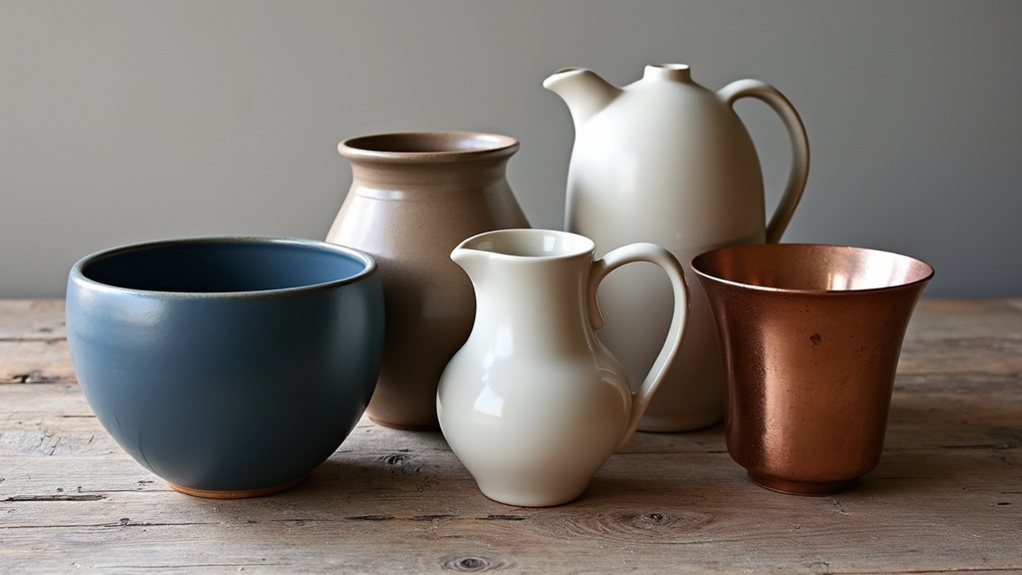
Choosing the right glaze type honestly comes down to what you’re making and the effect you’re after. For functional pieces like mugs and bowls, glossy glazes are a solid choice since they’re easy to clean and food-safe. If you want something softer and more artistic, matte or satin finishes give your work a sophisticated, tactile quality. Lustre glazes are perfect when you want that wow factor, though they do require extra firing steps. Think about your clay body and firing temperature too, since not every glaze works with every clay. Don’t be afraid to test combinations and keep detailed notes on your results. Ultimately, the best glaze is the one that brings your creative vision to life while suiting your piece’s purpose.
Final Thoughts
Choosing the right glaze might feel overwhelming at first, but don’t let that stop you from experimenting. You don’t need to master every type at once—start with one finish that excites you and build from there. Whether you’re drawn to the soft warmth of matte or the showstopping shimmer of lustre, there’s no wrong choice. Your glaze decisions shape your creative voice, so trust your instincts and let your work evolve naturally.